POV
Solo show by Stijn Cole
Landscape, when it serves as the starting point of a creative concept, proves to be a generous subject matter, revealing a peculiar dynamic between the depicted place and a person situated within it. It’s one of the few instances in which an artist, an observer, faces such an all-encompassing force that they have no other choice but to become the tool of composition and comprehension itself. This comes in the form of the timing and positioning of their own physical presence. In such circumstances, a landscape should not be understood as nature itself, but as a situated perspective, a partial revelation conditioned by a viewpoint.
Time passes, change unfolds, and all life continues even without an audience. Elements that seem to withstand centuries’ worth of transformation coexist with the circumstances of their surroundings, creating an alliance that manifests in endless variations of familiar spectacles. The effects of entropy are accumulated in the angles and shades of light, seasons passing, and other factors of nature, all of which contribute to the ever-changing facade of places that remain identifiable.
Any person, artist or not, who commits to capturing such conditions must establish a dialogue with nature as a subject, revealing subtle resistance and tension. The beholder, as the active participant, acts through decisions, placement and patience, while the landscape stands its ground and responds only through its monetary appearance in absolute truthfulness.
Photography as a medium seems to heighten the impression of these specific qualities of landscapes. The invariables shift the focus over to the conscious decisions of the person handling the camera: more specifically, the timing and positioning. These two planes of reality become the tools of making one’s presence known. A special kind of presence that dilutes identity.
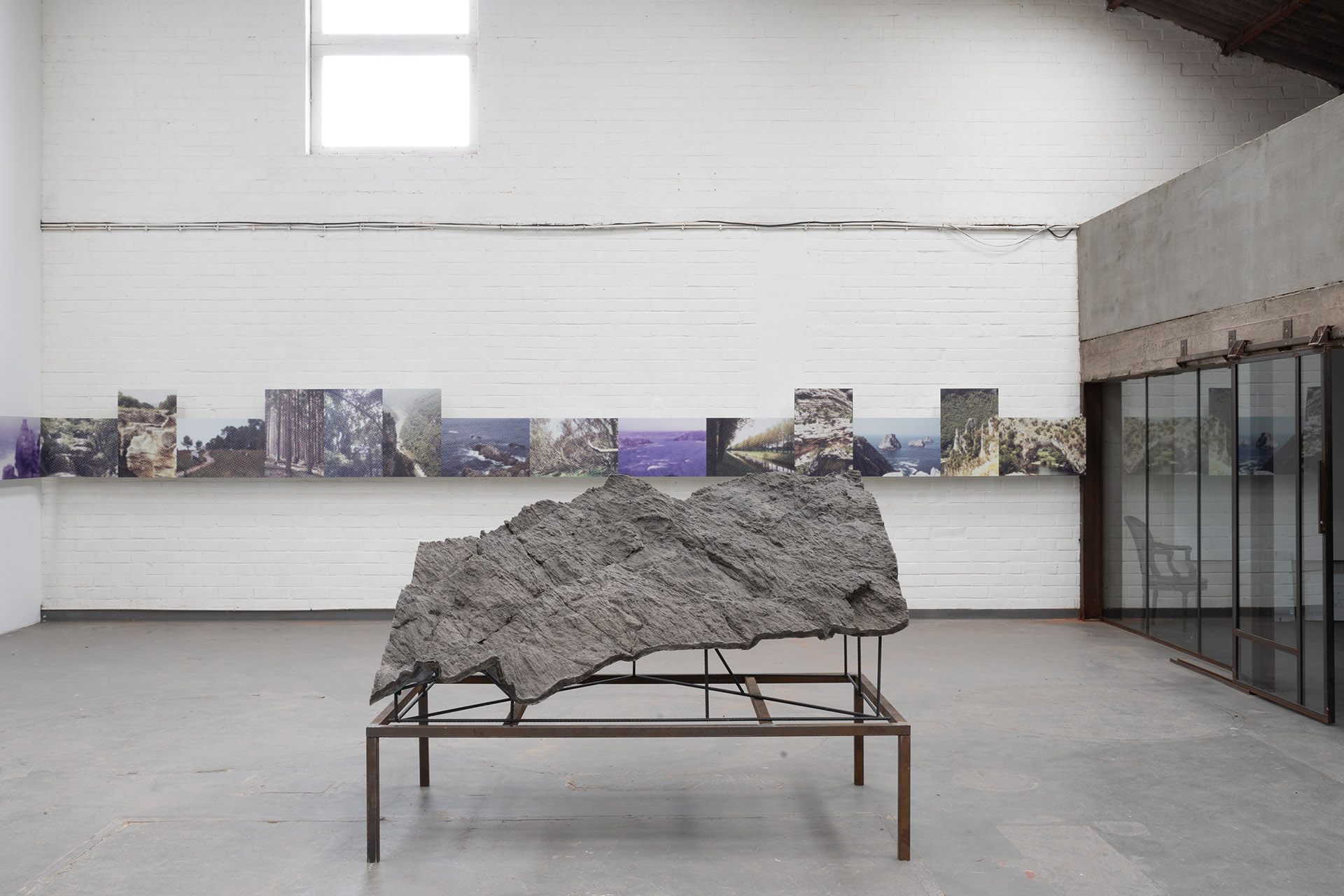
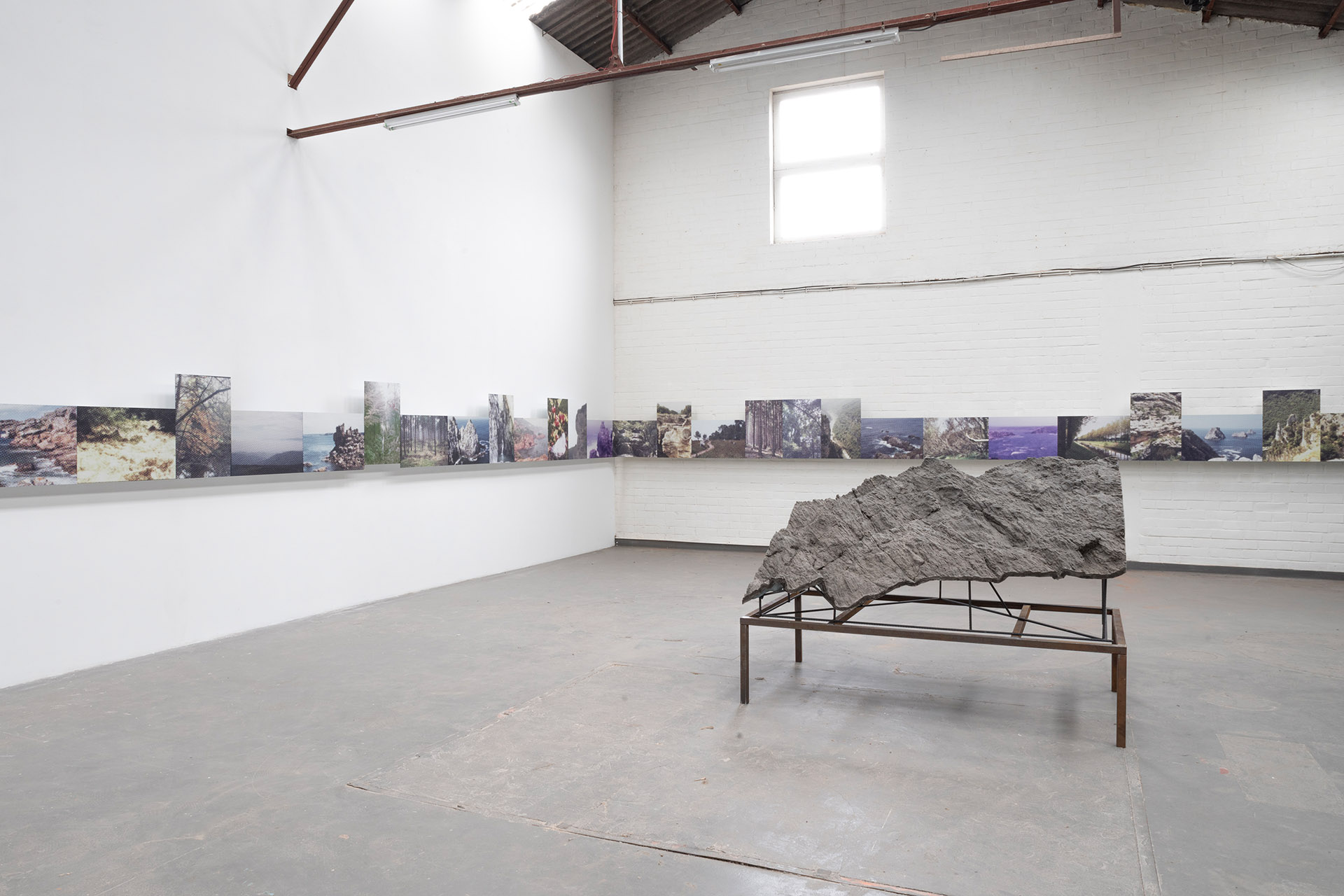
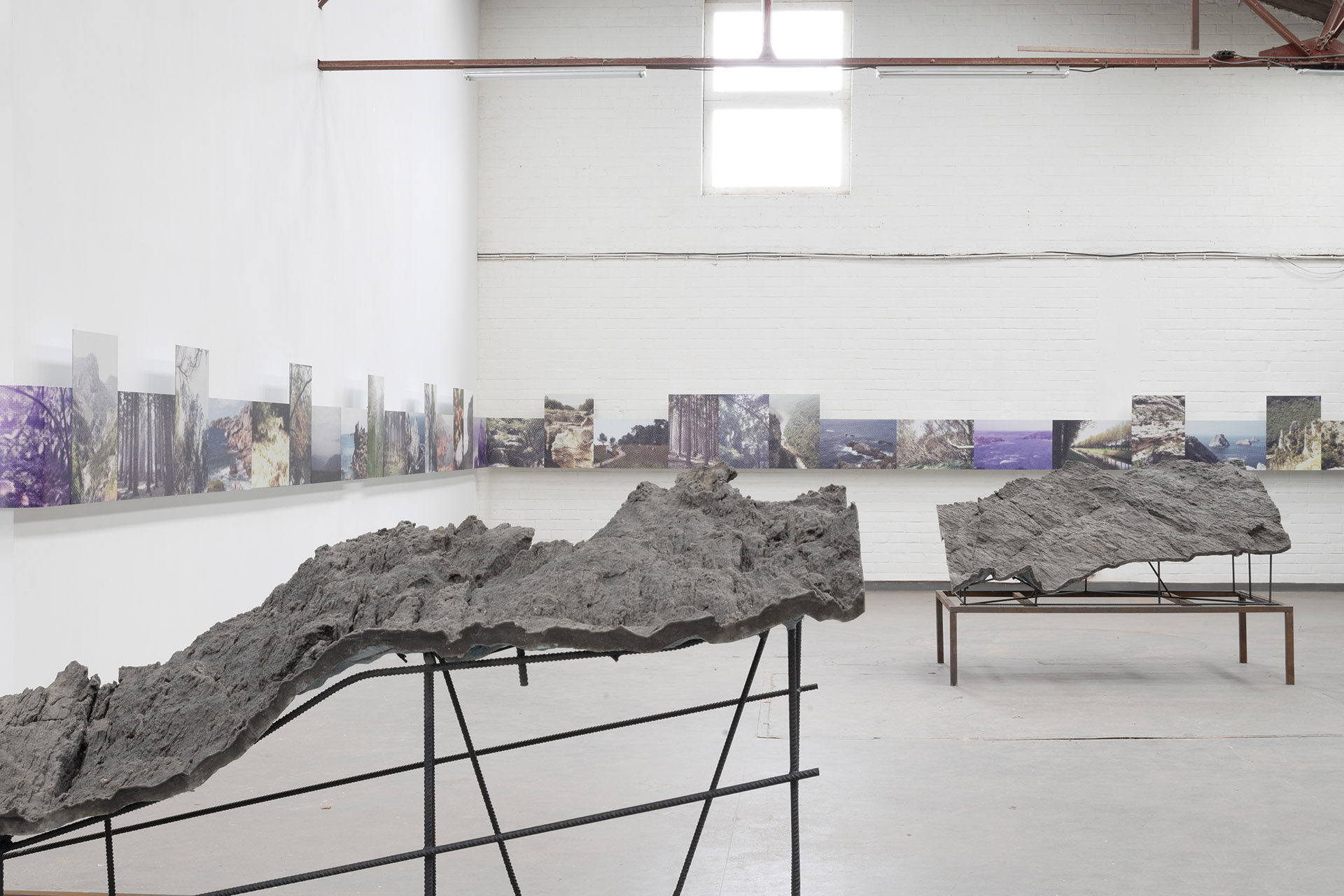
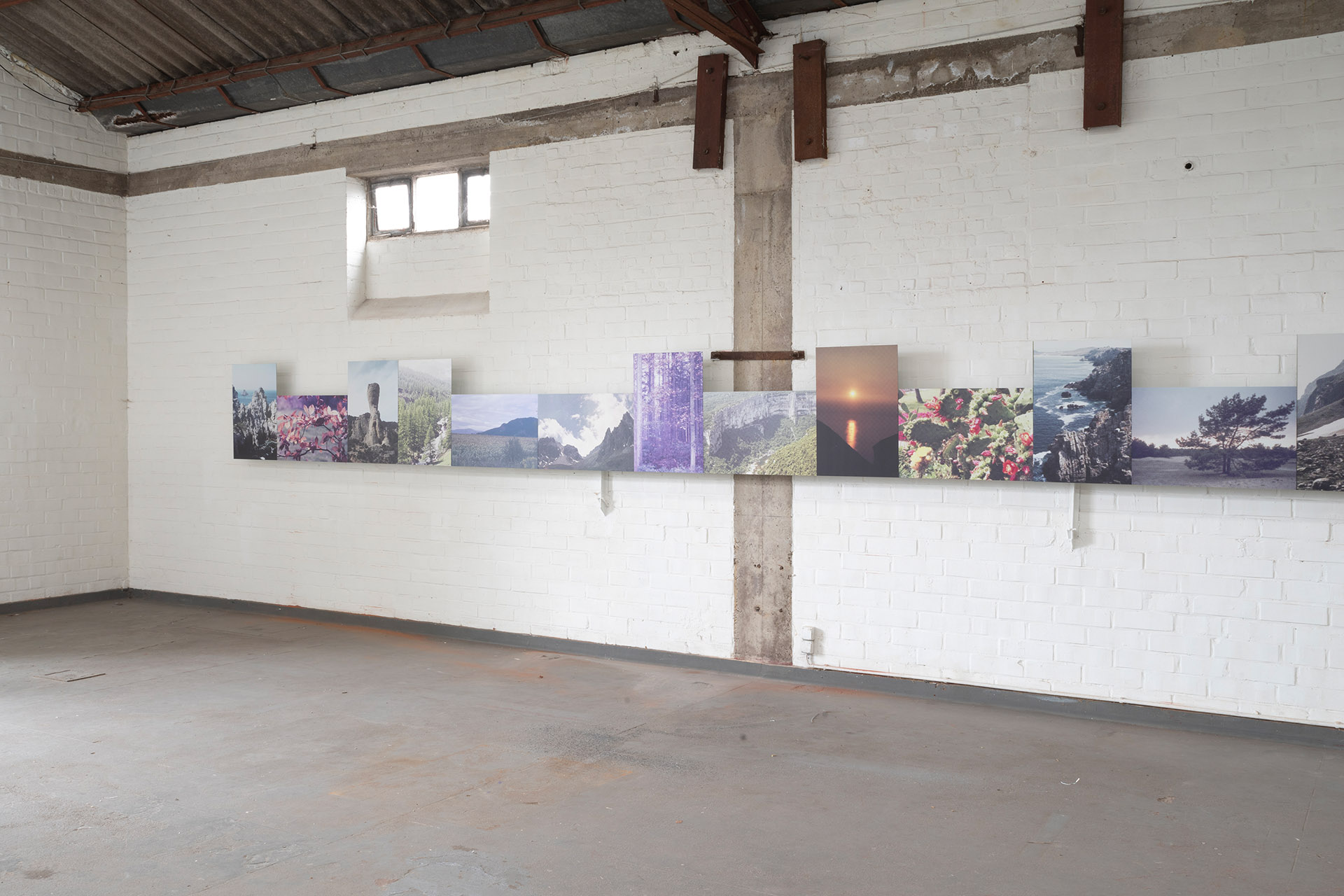
The exhibition’s namesake work, titled POV (Point of View), is a selection of images that were not taken by Cole, but were found by him. Presumably from the 1980s, the collection of old dia photographs depicts landscapes across mainly France and Belgium, locations that the artist also frequently visited; hence why he was able to identify them. Recognition thus becomes an encounter across time rather than an act of authorship. A special emotional connection that stems from the memories of the past is being shown through the eyes of an unknown stranger, years apart.
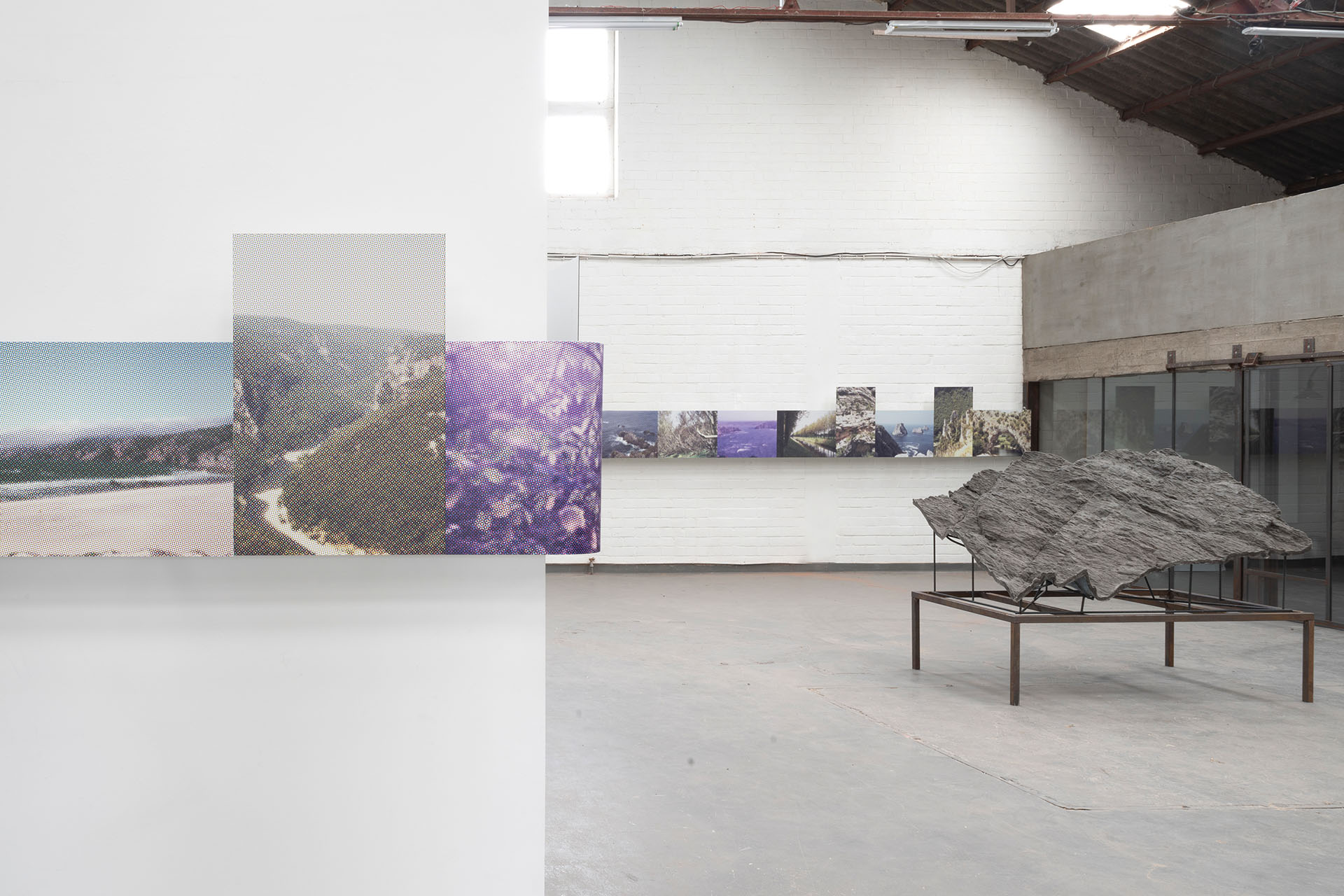
There is an additional gesture on Cole’s part that can be interpreted as a collaborative effort with the mystery present in the backstory: an added filter that increasingly blurs the sequence of images when seen up close. Cole applied this effect with varying intensity as an indirect instruction, gently manoeuvring the observer’s path to aid in seeing the bigger picture. The images, as they run around the walls of Ontsteking, provide the opportunity to witness all of nature’s constant changes through their most elemental characteristics only. The sum of lights, colours, and textures is reduced to a grid of alternating cyan, magenta, yellow, and black.
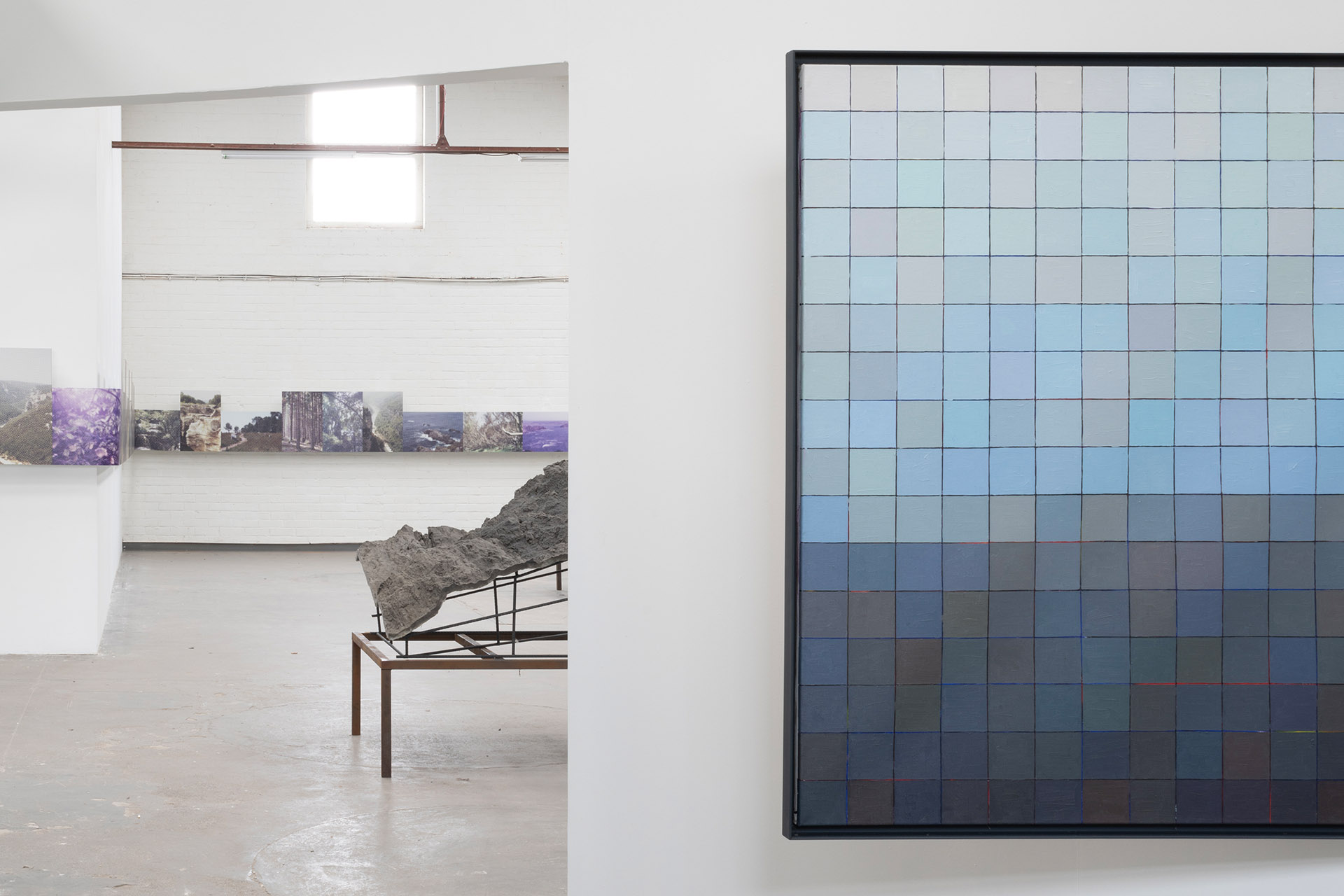
Fragmenting sceneries into elements of technical minimalism is a recurring creative method that takes various forms throughout the exhibition. The artwork Fisterra consists of a systematic arrangement of colours based on three viewing directions at the same moment across the sea from the cliffs of Fisterra, Spain; the end of the world. The selected colours are such universal markers of natural elements that they trigger the feeling of recognition on an instinctual level. The audience might not know at first glance which landmark provides the shades, but somehow similar personal impressions emerge.
A more direct evocation of memories takes form in Cole’s 1:1 sculptures, 2 of which are featured in the show. These works are exact casts of the rocky coastline from a small bay near Cancale, a town on the French seaside. Within the context of POV, this place gains significance through Cole’s personal ties to it, as he used to frequent this location with his family during his childhood.
Through the act of casting, ordinary fragments of the environment become imprints that carry personal and emotional meaning. Even simple details of a landscape can act as personal time capsules: holding memories, associations, and traces of shared presence.
The works selected for the exhibition all share this similar sentimental undertone; they become mementos of dear moments shared with loved ones, all depicted through universal elements, a declaration of one’s presence and shared experiences through documentation.
– Hanna Júlia Erdősi
Opening Friday 15.05.26, 3pm > 9pm
Saturdays and Sundays, 2pm > 6pm
and by appointment
Location
Ontsteking
Chinastraat 1
9000 – Gent (BE)
More info about Stijn Cole.