karpettland
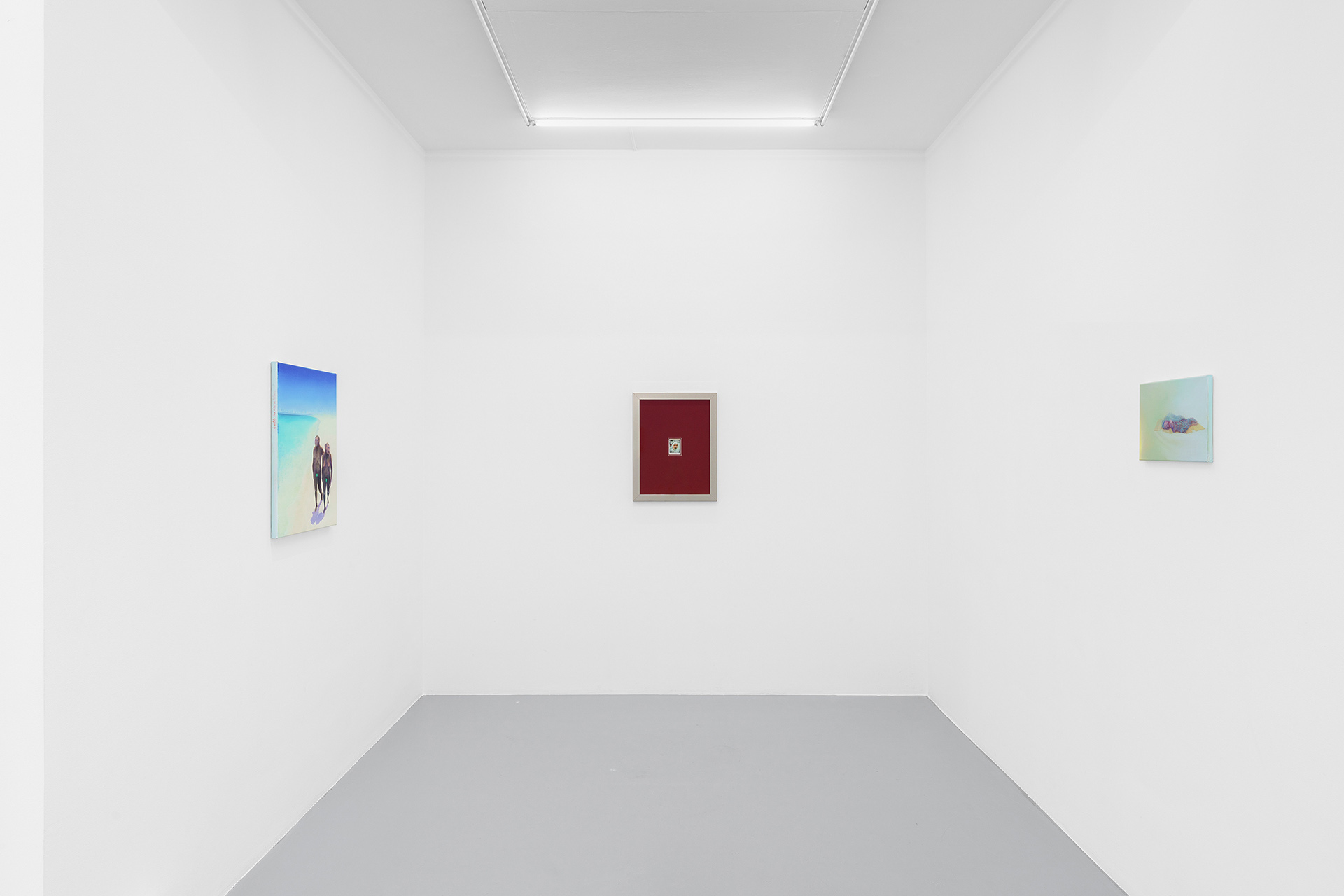
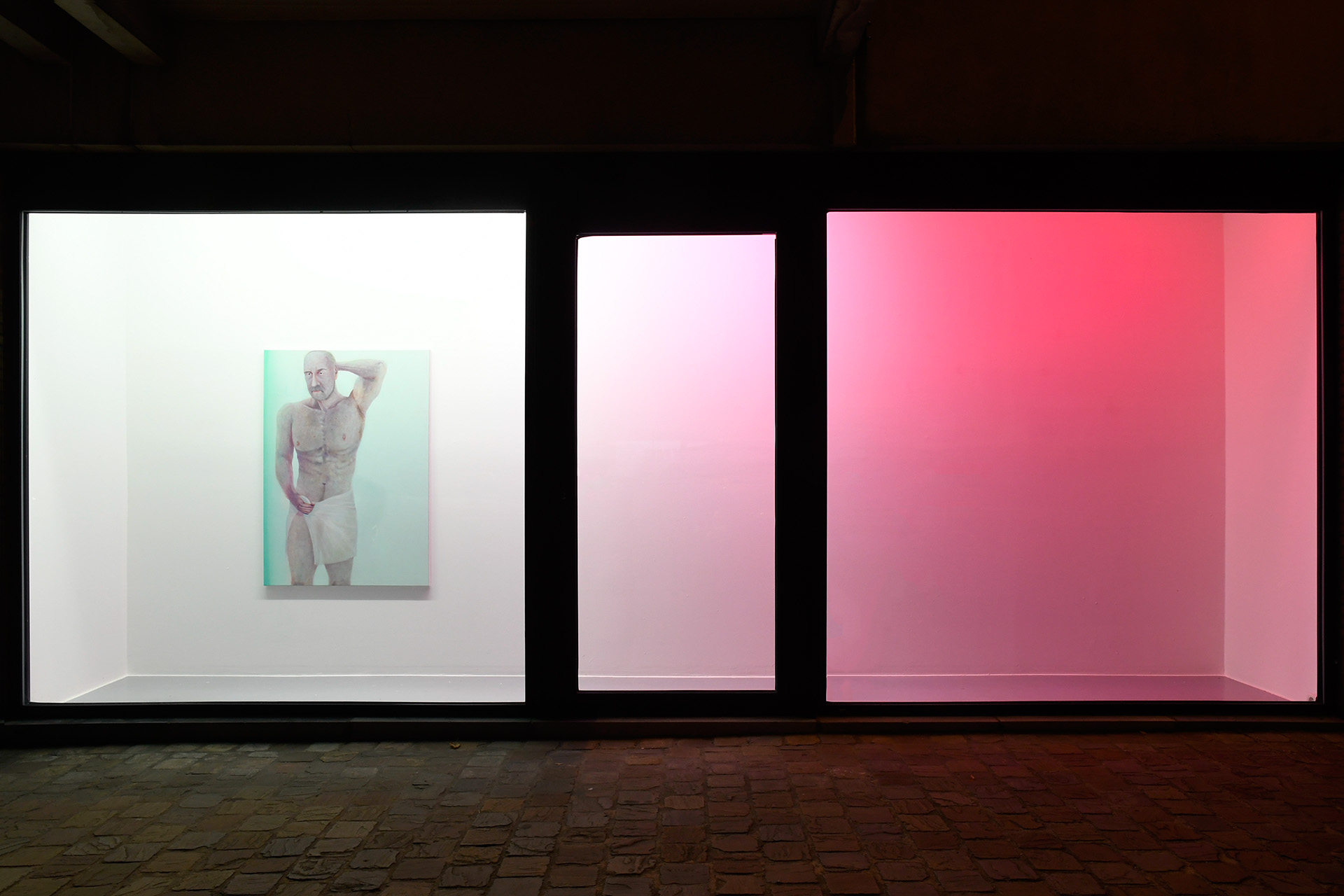
Gauthier Hubert
Painting Hygiene According to Gauthier Hubert
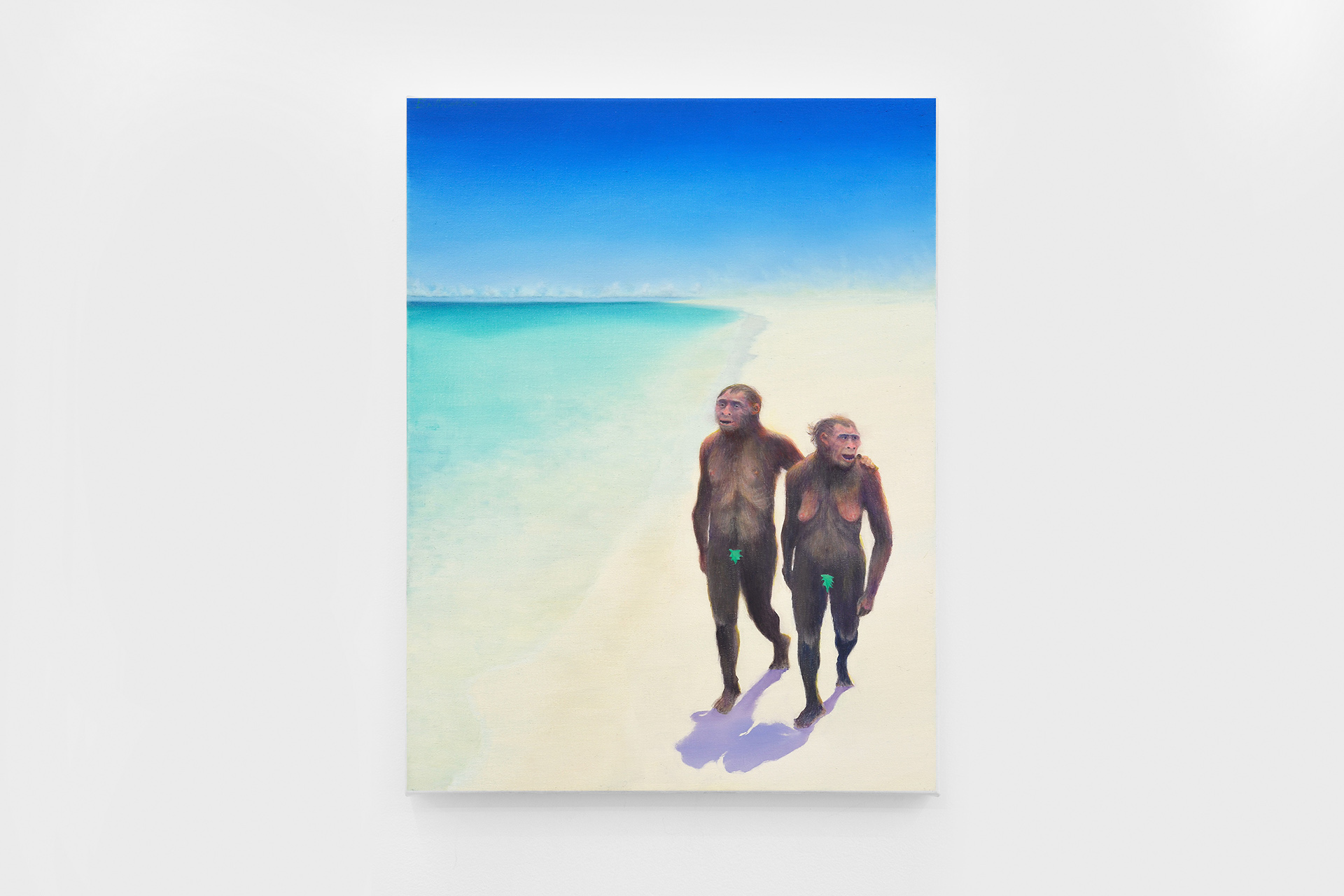
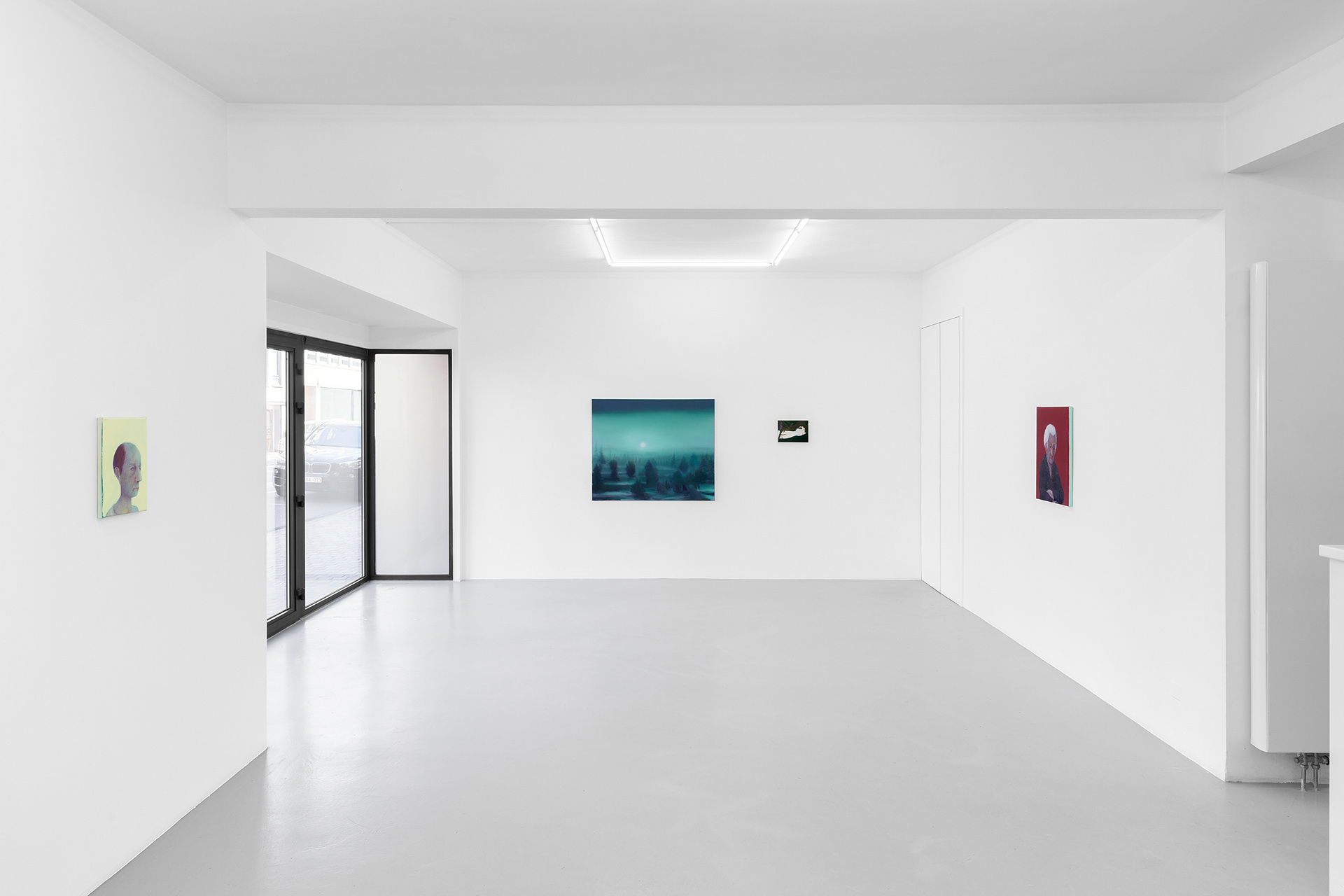
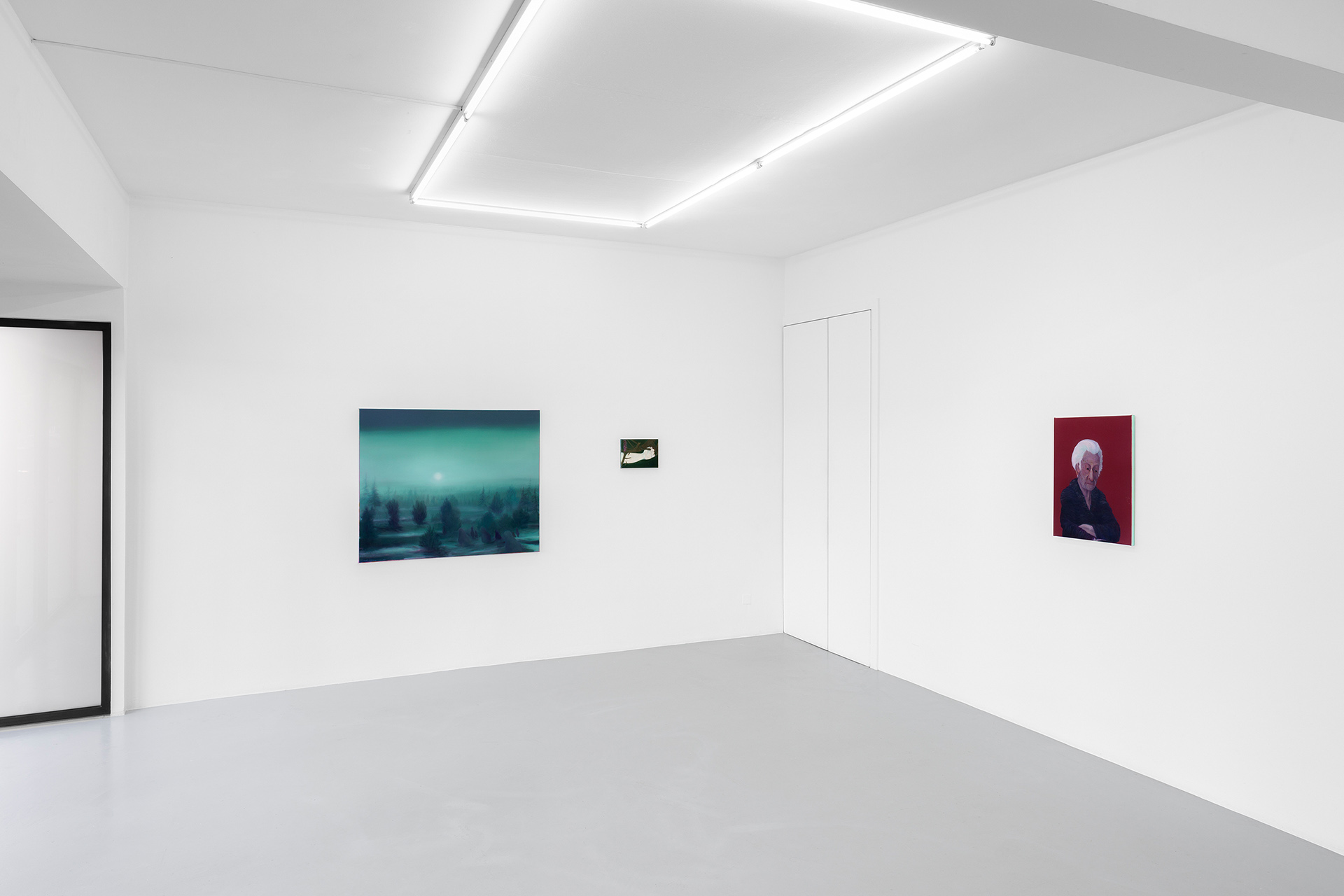
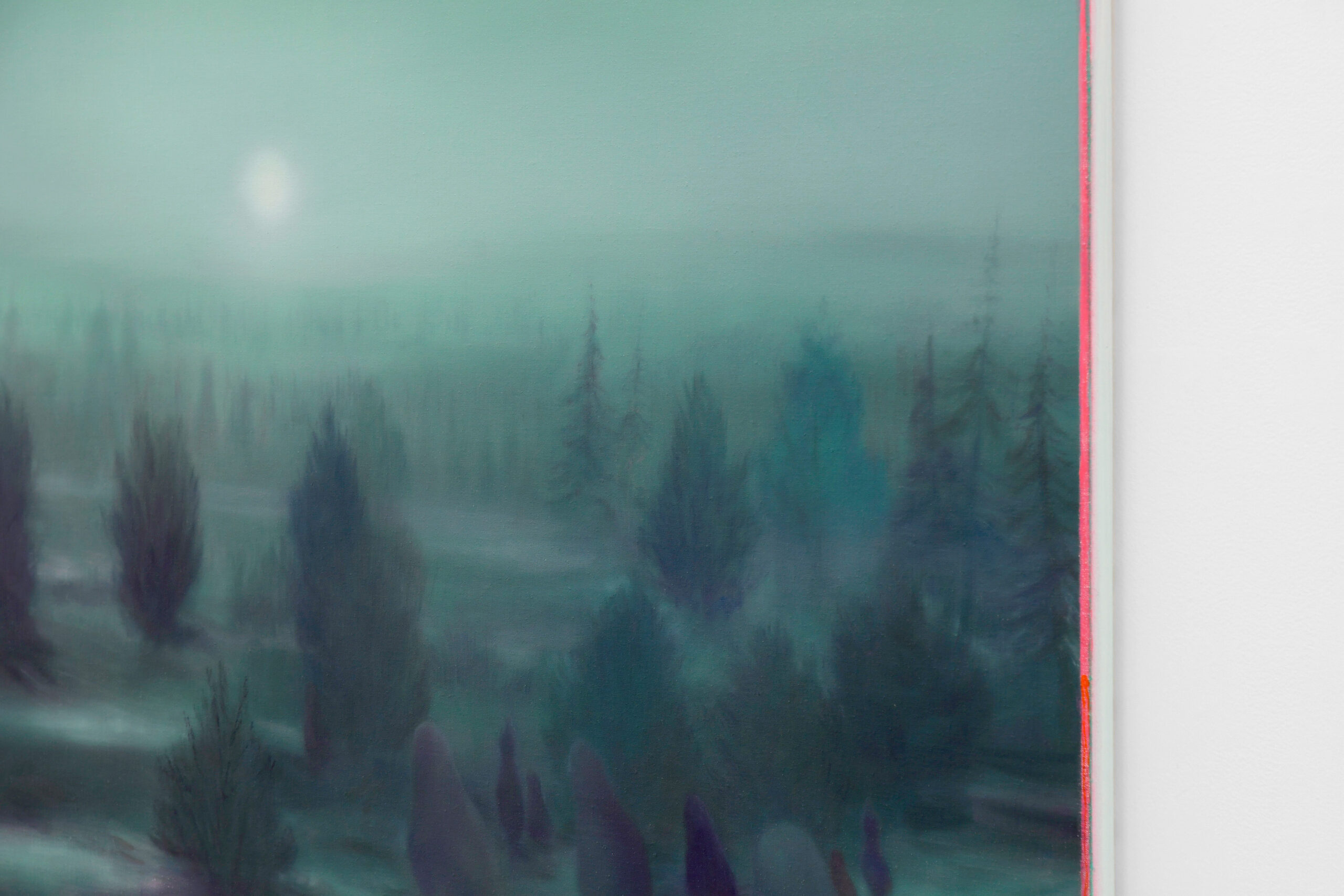
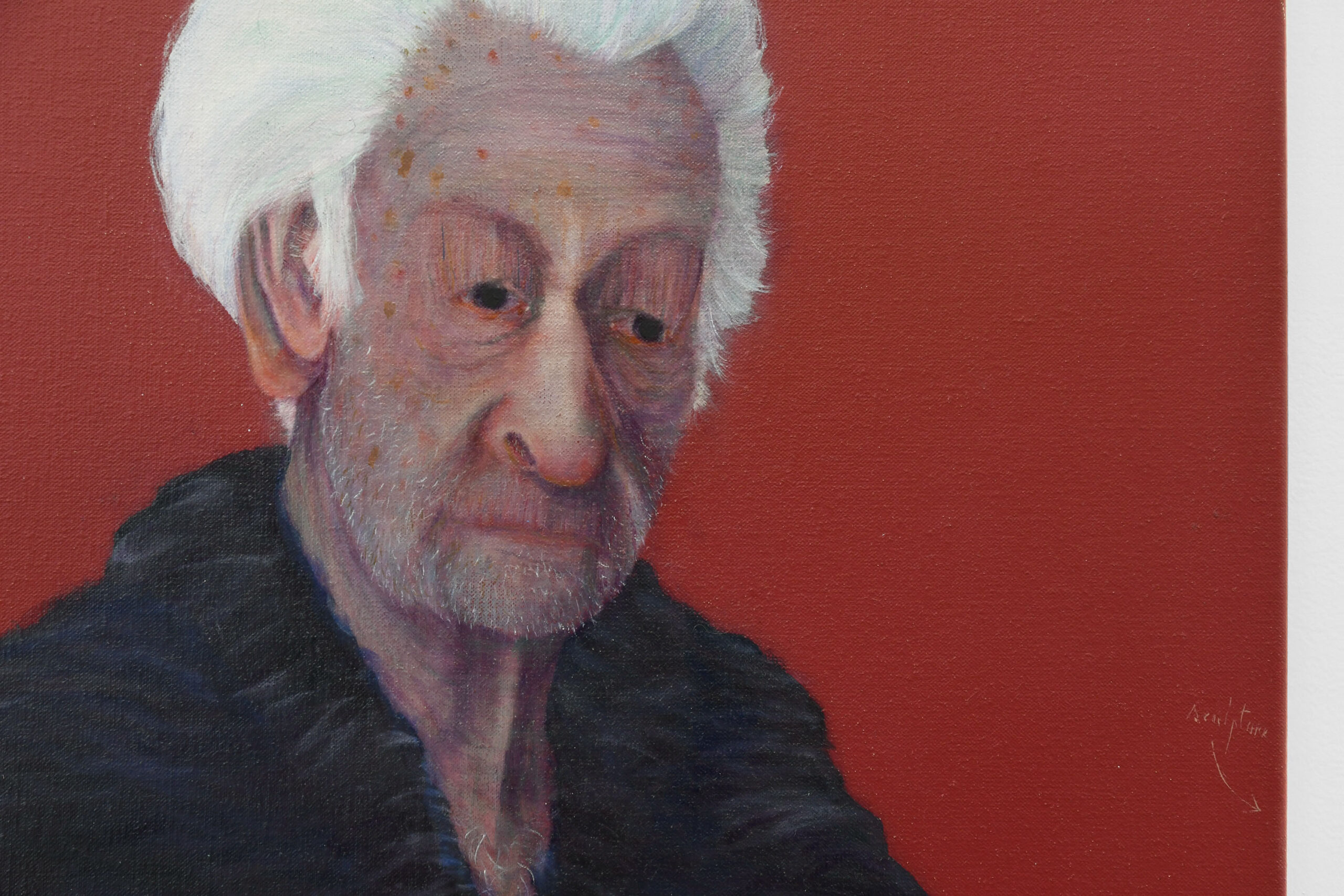
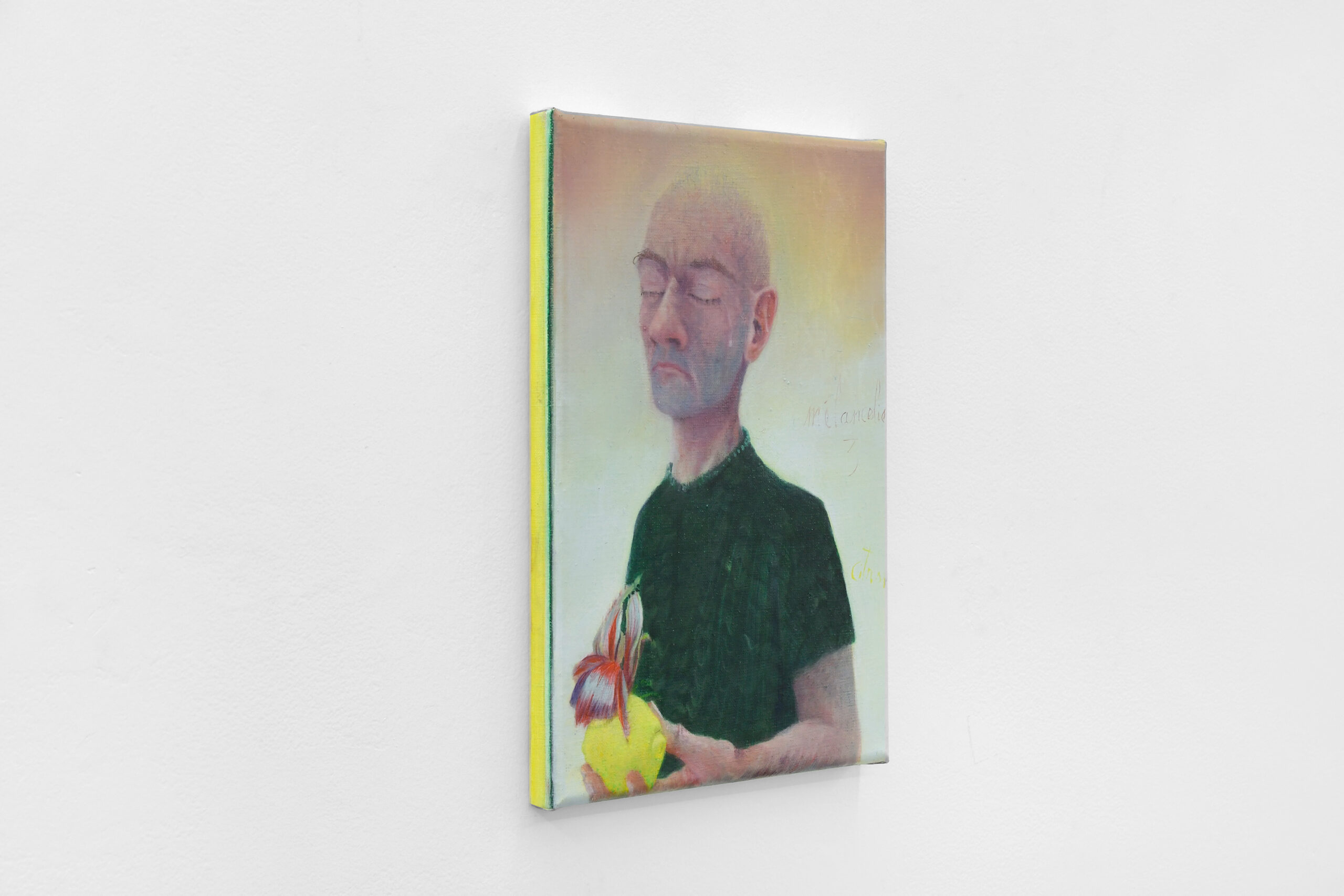
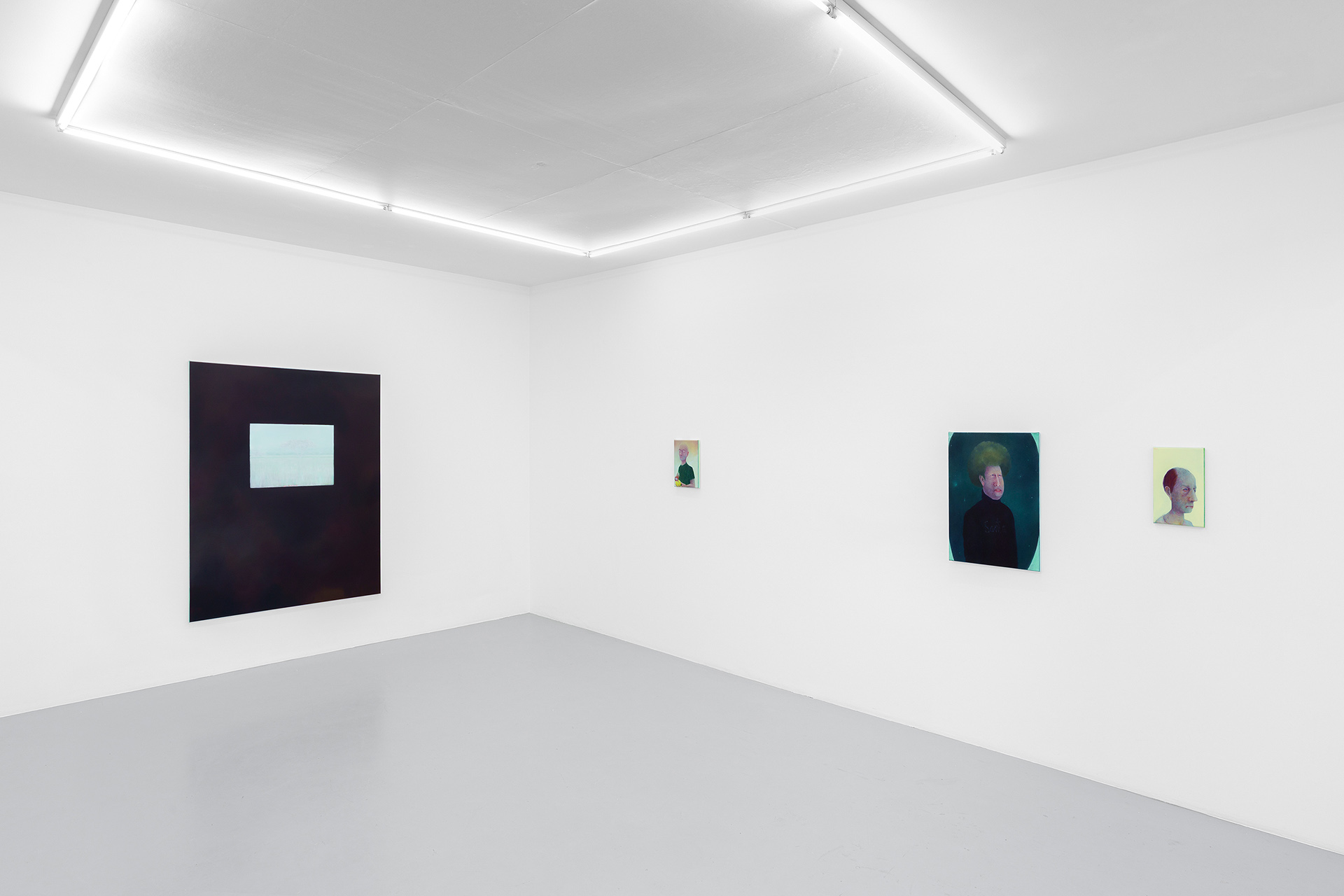
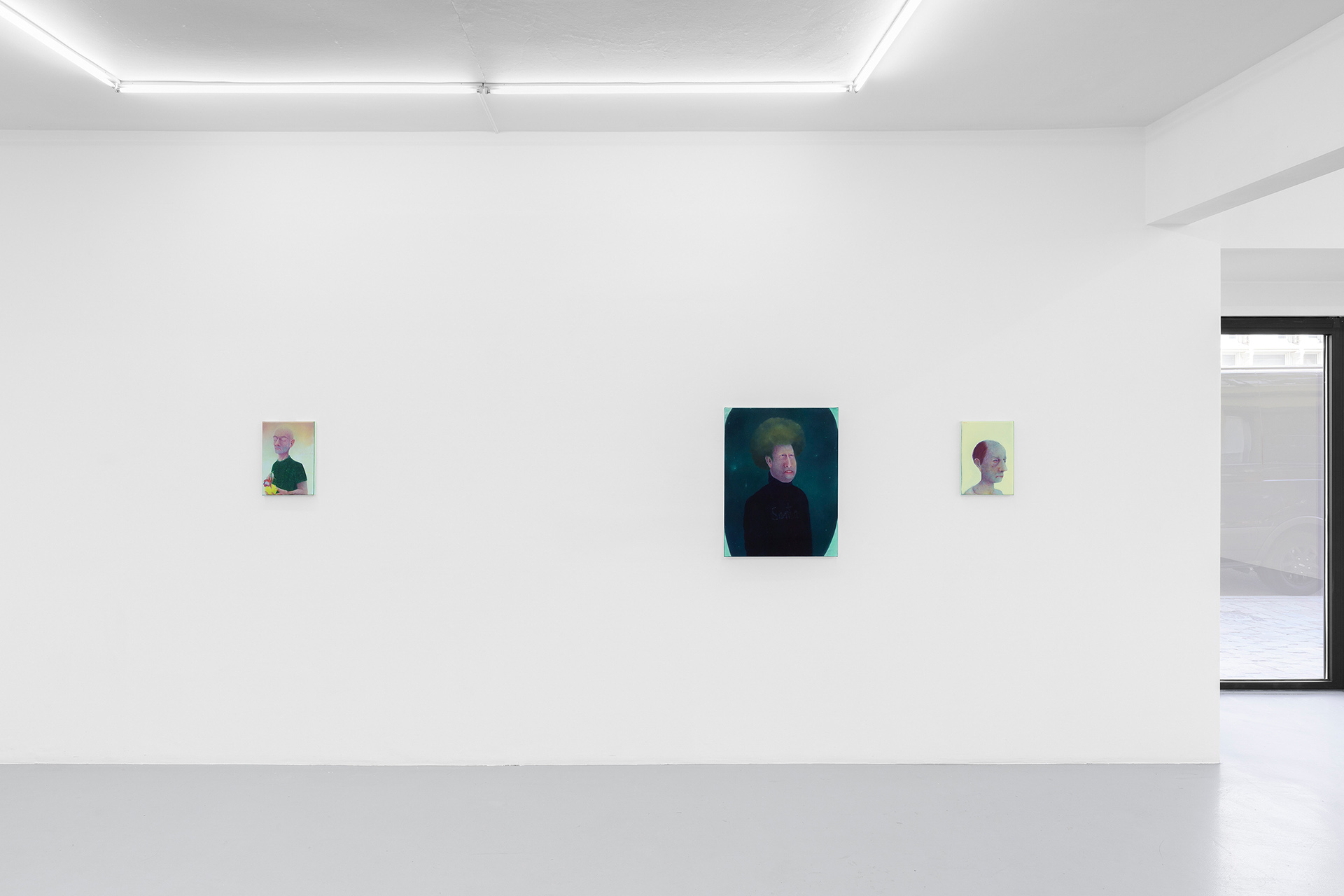
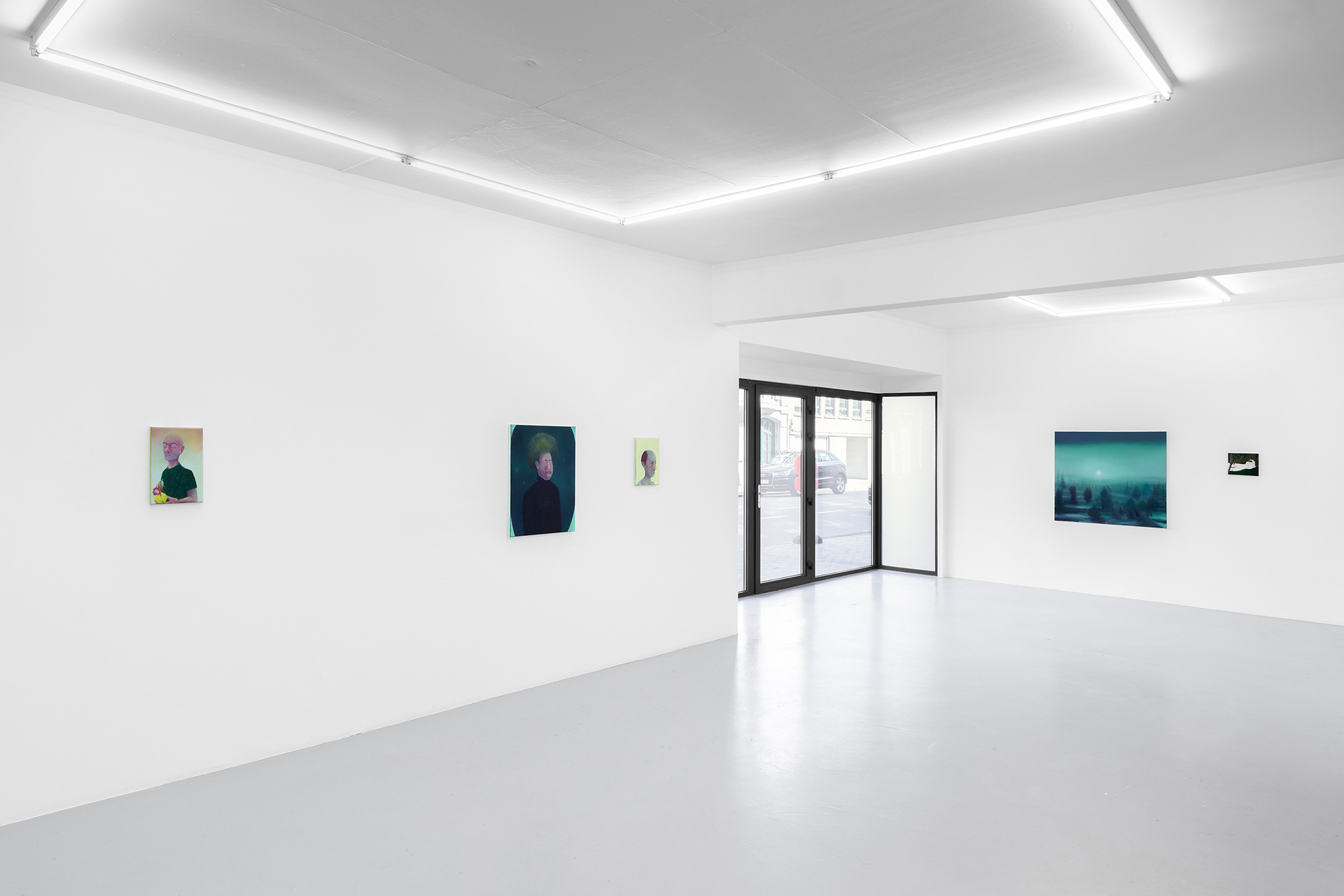
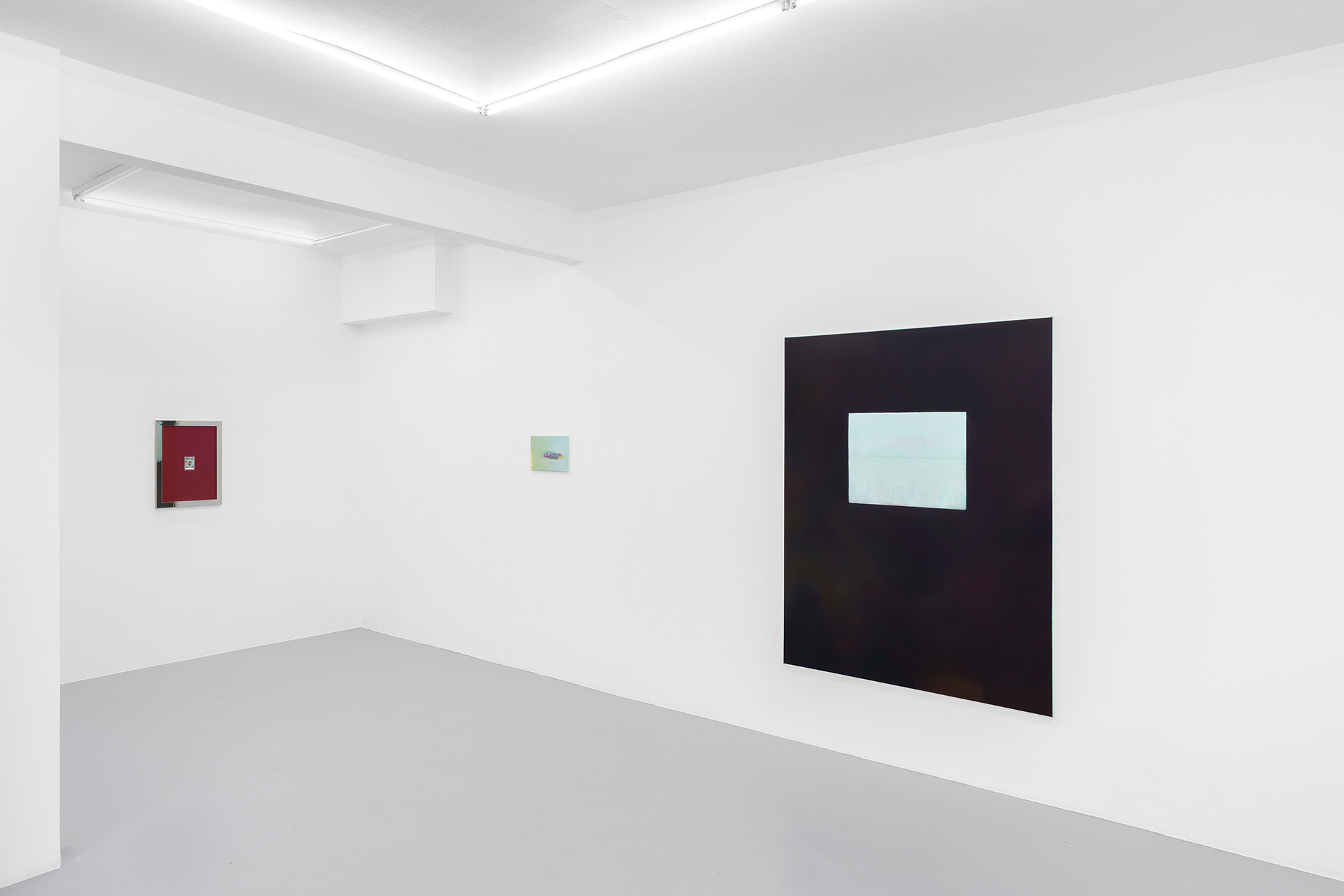
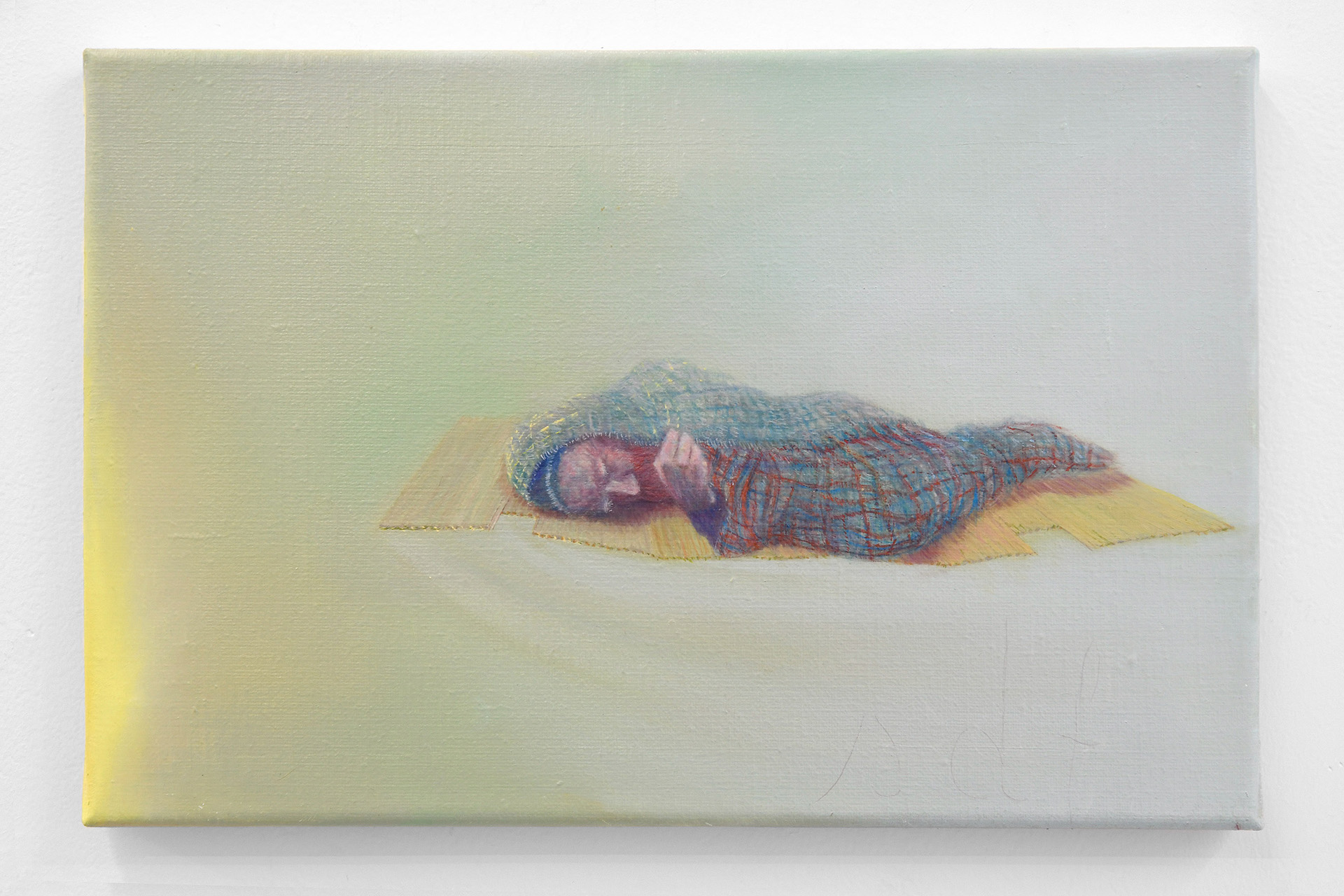
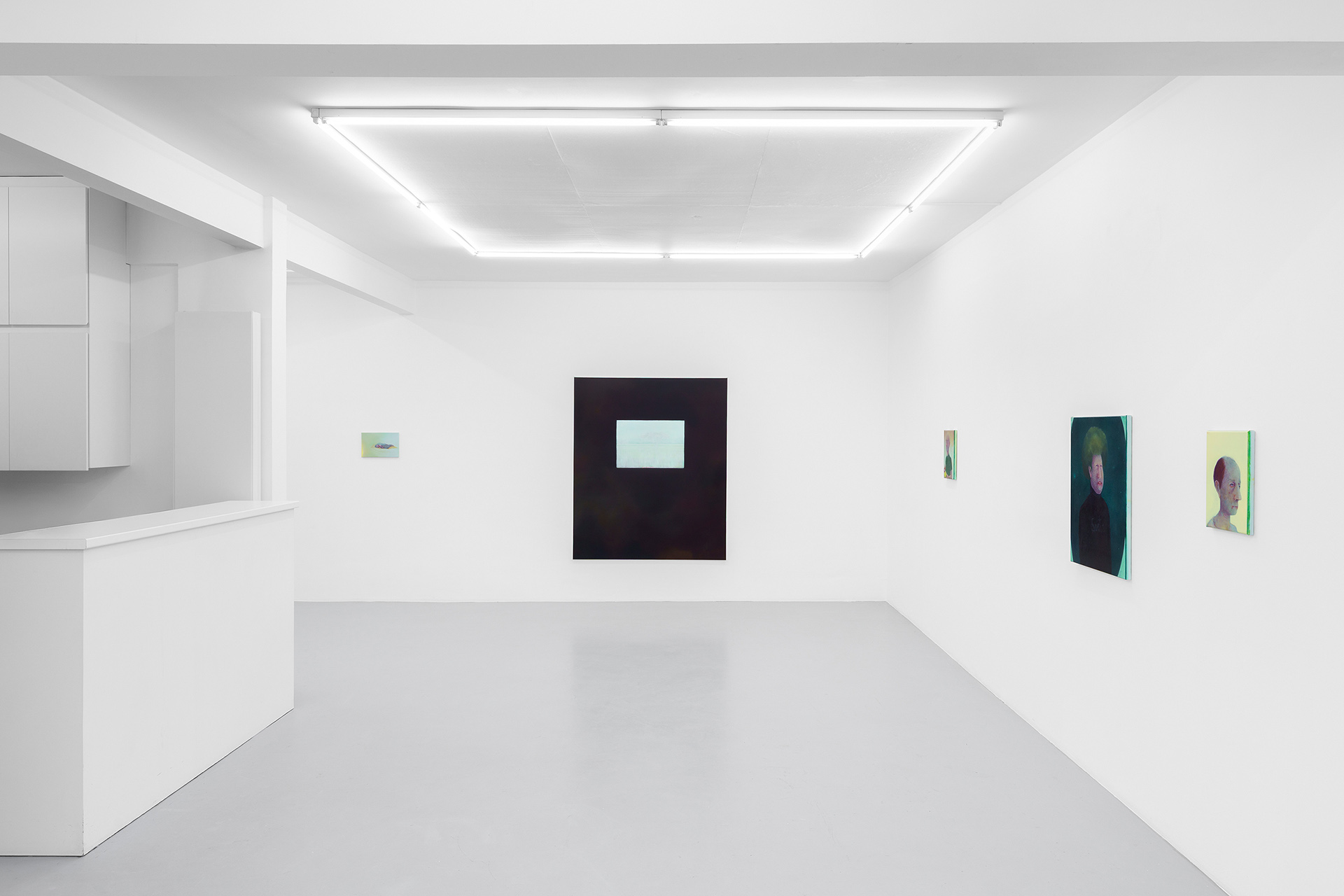
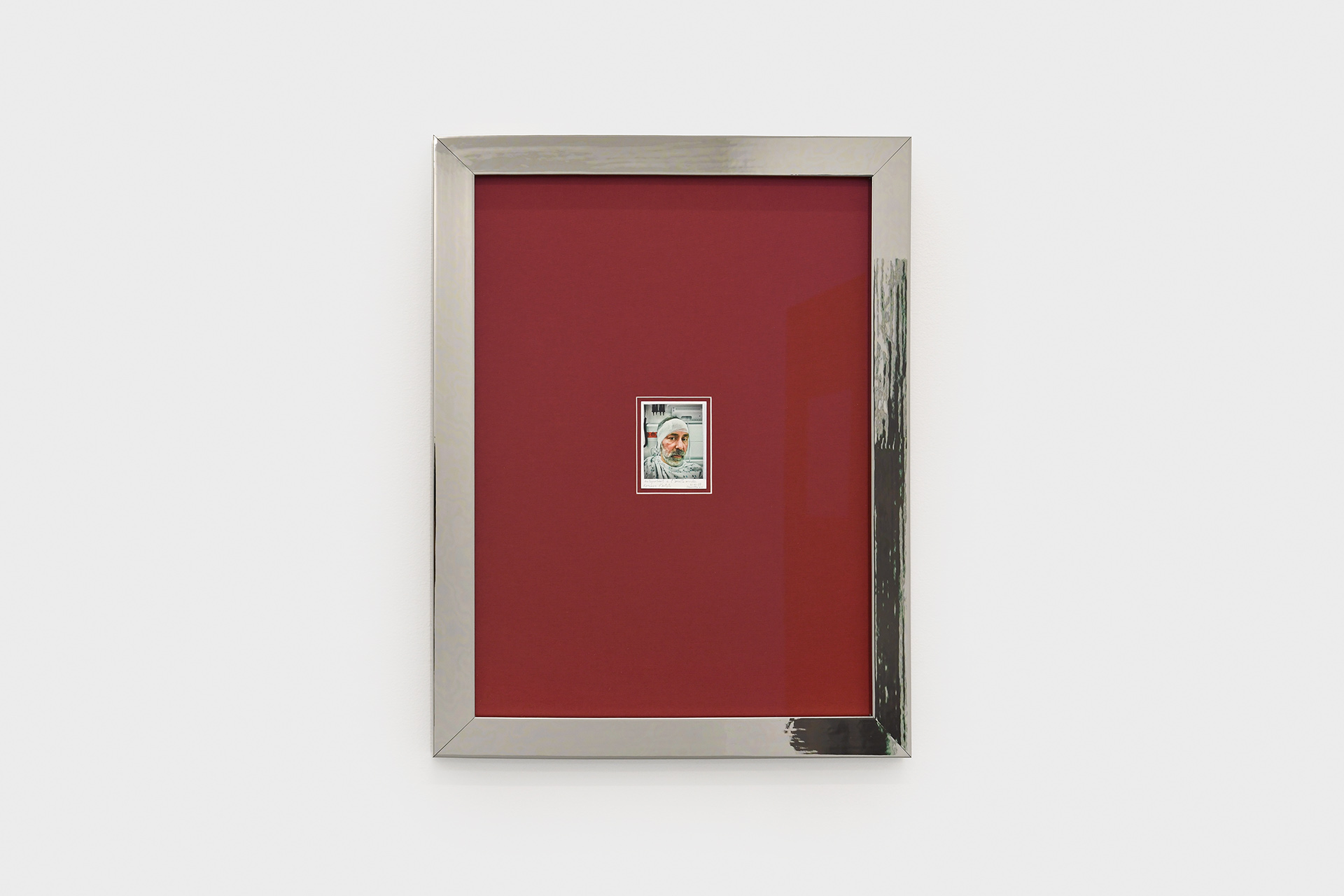
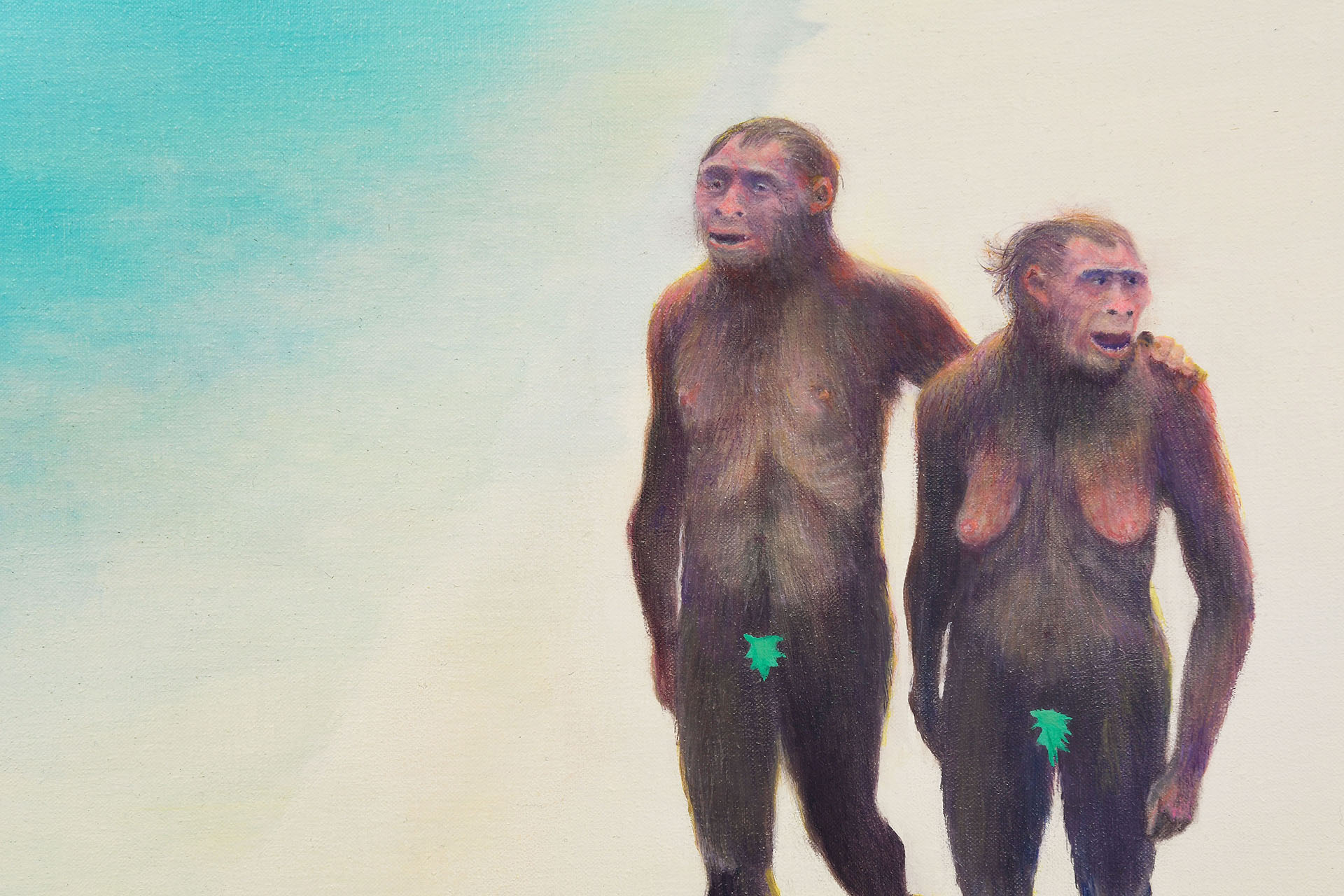
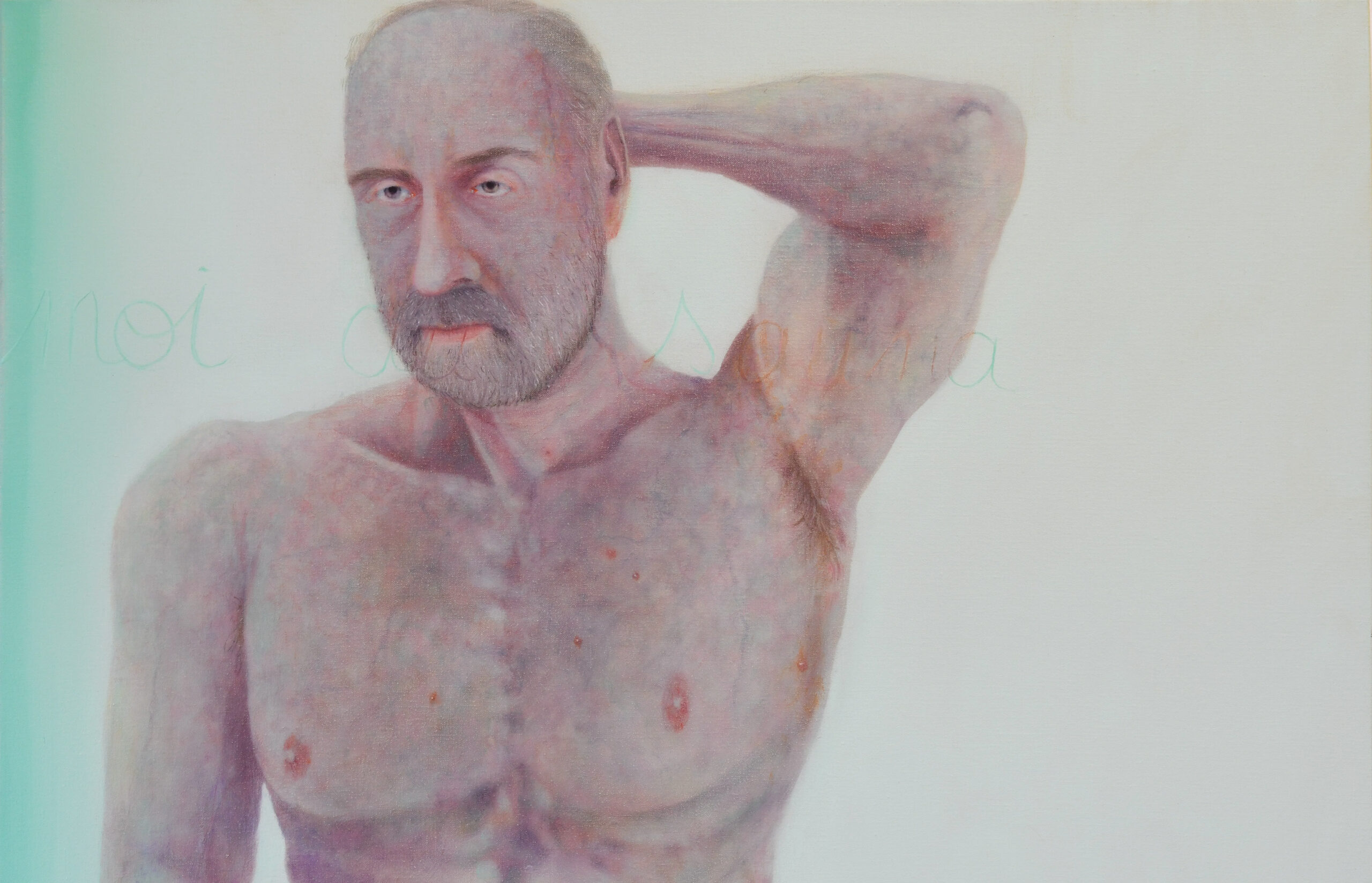
It is undeniable, when you encounter Gauthier Hubert’s painting for the first time, that you are dealing with a painter that knows what he’s doing and, if I may say so, one that has a perfect mastery of his trade. The closer you look at his painstakingly and almost lovingly painted works, the more you appreciate and enjoy the subtle construction of his almost abstract backgrounds, with atmospheres and micro-chromatic asperities from which figures appear from seemingly nowhere. Their gripping presence is indifferent and staggering at the same time – be it infinite galactic perspectives (such that the artist ends up successively adding stars over time, unlike Bonnard touching up on a painting already hanging in a museum, but as a deliberate intent of unfinishedness ascribed to specific works), narrative landscapes operating as visual traps, or of course particularly uneasy portraits that seemingly claim a form of aestheticization of ugliness as an impediment to the beauty of painting.
For his painting has this particularity of producing narrative systems in which titles, often inscribed into the skin of the canvas itself, play a crucial role without veering into the realm of narrative painting (even though the painter does not shy away from storytelling, much like the viewer): there is no anecdotal genre paintings or historical scenes, but rather allusions, references, nods, and puns (sometimes understandable by the author only). In his work, each painting is a game played with the viewer and it must be earned. Make no mistake, his pieces are not riddles or enigmas needing to be solved, but a pleasure multiplied tenfold by the multiple meanings and pitfalls of his visual compositions. They are not conceptual either, despite their titles used by him like itineraries and by the public like clues (even if those keys don’t necessarily open the expected doors). In fact, everything in Gauthier Hubert’s work has a double meaning, sprinkled with a healthy dose of absurd humour—and at times even schoolboy humour—that echoes the satirical spirit of Alphonse Allais.
It might come as a surprise to discover, in hindsight, his early works which earned him the Belgian Prix de la Jeune Peinture and were taking a distinctly more conceptual and speculative turn, almost veering toward Land Art as they sought to analyse, in a quasi-scientific manner, the consequences of melting ice and rising sea levels on our landscapes. The fact is that Gauthier Hubert, who—as one might expect—is adverse to the notion of inspiration, has devised a logic of assisted creative generation based on a hypothetical inductive system similar to the hypothetico-deductive logic of scientists, but also to the mechanics of Oulipian creation, which relies on the use of deliberate formal constraints and argues that constraints allow one both to think outside the box and to unleash creativity, in accordance with the Oulipian principle that states that the author is “a rat that builds the very labyrinth from which it intends to escape.” And when he felt the urge to paint portraits in the late 2000s, it was out of a curiosity to discover what the transposition of a pre-existing statement into a painting might yield. The idea came to him while reading a detailed description in a novel, when he realised that everyone visualises the object of such a premise differently. He then decided to paint only under the guidance of titles (often quite offbeat or absurd ones, to spice things up) that he had come up with sometimes many years earlier (unlike Magritte, who would gather his friends to come up with titles for his finished paintings). From there ensues the conviction that all of his paintings are linked by genealogical relationships in a rhizomatic manner—a sort of spontaneous procreation, or even a form of parthenogenesis, facilitated by the painter. One might say that only the author is capable of reconstructing the intimate genealogy of his works. It is undoubtedly wiser and healthier for the enthusiast to simply regard the titles as pretexts or subtitles of his works rather than as interpretive keys that would dictate what we should see in them—incidentally, this would make any attempt at exegesis of these paintings impossible—and to see the “family tree” of these portraits as a map of the artist’s own psyche rather than as an inventory in the vein of Family of Man or a classification of human types.
These portraits are, after all, fictional—and as such, they challenge the very notion of a “portrait,” which implies a representation that is at least faithful, if not idealised, of a living model: the subject of the painting. Gauthier Hubert’s portrait gallery does not aim to depict society, nor does it seek to paint a picture of human types or establish a taxonomy of physical features. His hypothetical characters make no physiognomic claims nor do they express any psychology. They are therefore a far cry from classical portraitists (despite the recurring evocation of Caspar David Friedrich’s Romantic painting and a fascination with the old masters, similar to that of the father of metaphysical painting, Giorgio De Chirico) and naturalists (even if one cannot help but think of the series of “monomaniacs” painted by Géricault) as they are from Bacon or Freud. On the other hand, one can imagine a lineage stretching from Pieter Brueghel, Franz Hals, and Quentin Metsys all the way to Gustave Van de Woestijne or Michaël Borremans, to stay within our region, but that could also include Otto Dix and the Neue Sachlichkeit, or even Paula Rego, for whom painting is organic, with that touch of cruelty and taste for the grotesque that draws on Daumier…
Remains the hygiene of painting, which drives Gauthier Hubert to relentlessly refine his backgrounds and figures—somewhere between crypto-monochromatic abstraction and pataphysical painting, which prioritizes exceptions over rules—to continue sowing confusion in the viewer’s mind and always encourage them to look more closely and see what they had not seen before, just as one practices yoga or works on one’s scales—all for our greatest pleasure.
– Daniel Vander Gucht
Download the press release here / Téléchargez le communiqué de presse ici
Opening Thursday 10.09, 5pm > 9pm
Talk between Gauthier Hubert and Daniel Vander Gucht, Sunday 13.09, 3pm
during Rendez-Vous
Exhibition until Saturday 17.10
Location
Irène Laub gallery
29 rue Van Eyck
1050 Brussels (BE)
Read more about Gauthier Hubert