Genesis Drift
Floryan Varennes
Irène Laub gallery is delighted to present a solo show by Floryan Varennes:
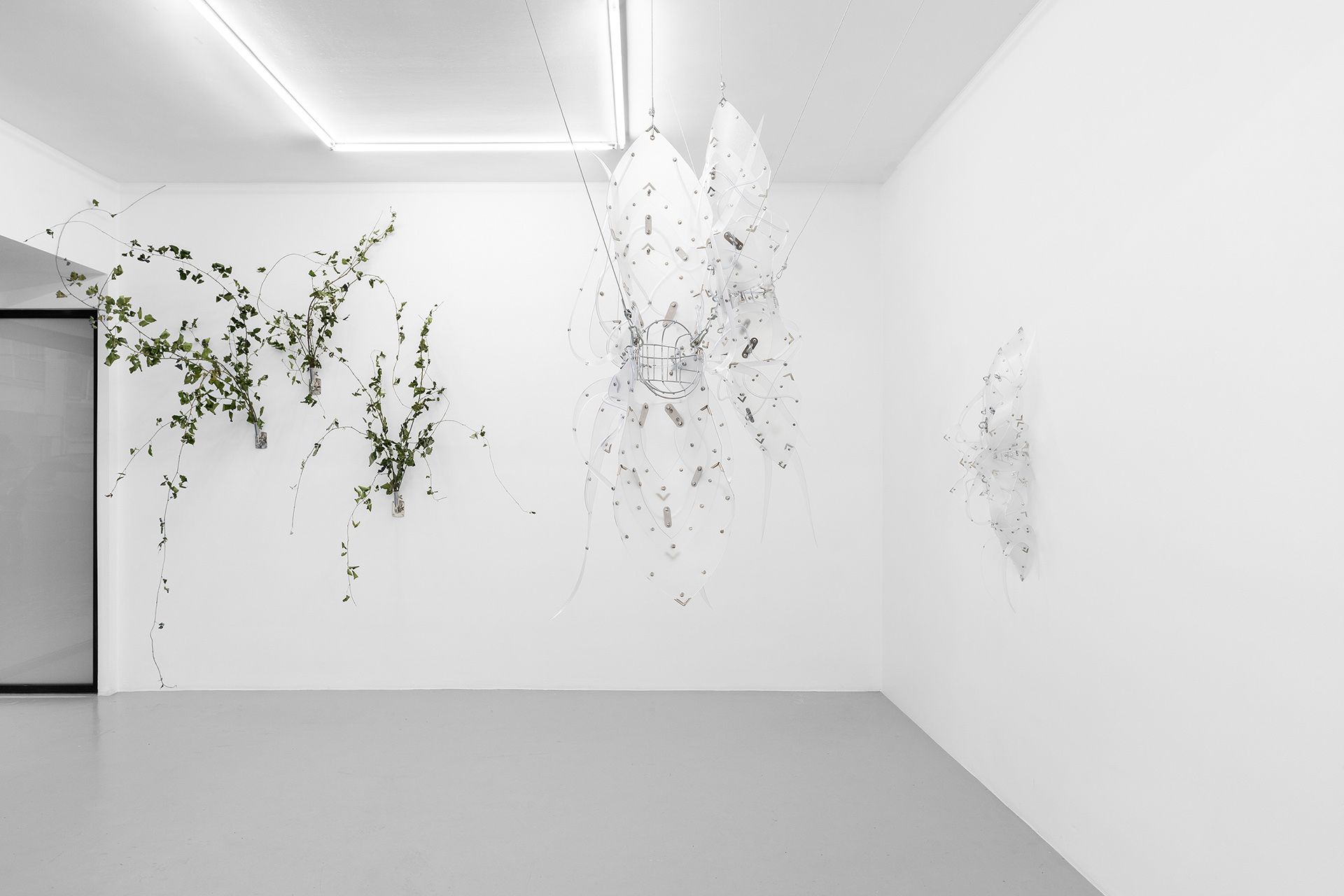
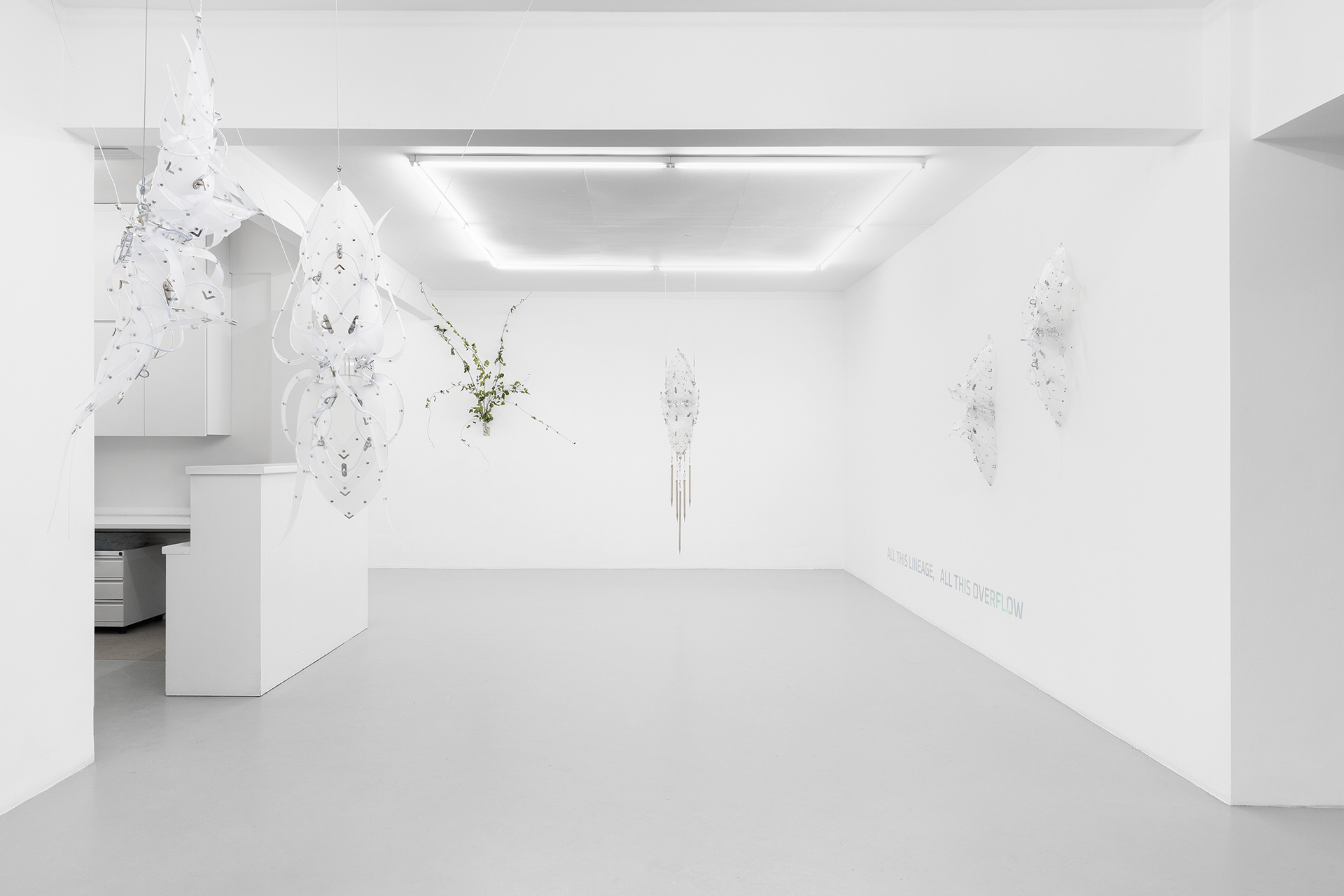
Genesis Drift brings together a collection of sculptures, installations, and moving images that build upon certain lines of inquiry explored in my previous projects, while shifting their point of departure. Whereas several earlier works focused on disappearance, extinction, loss, or the mechanisms for preserving their traces (Gwangju Biennale), the works brought together here are more concerned with what happens afterward, or alongside: the forms of life that proliferate beyond their respective lineages, encroach upon one another, transform, adapt, and forge new relationships.
The title Genesis Drift (in reference to the scientific phenomenon of genetic drift) thus combines two movements: that of a genesis, an emergence, or a formation, and that of a drift, a deviation that introduces the idea of growth without a necessarily predetermined destination. Genesis here is not an absolute beginning, but a continuous process, shaped by influences, accidents, excesses, and forms of continuation.
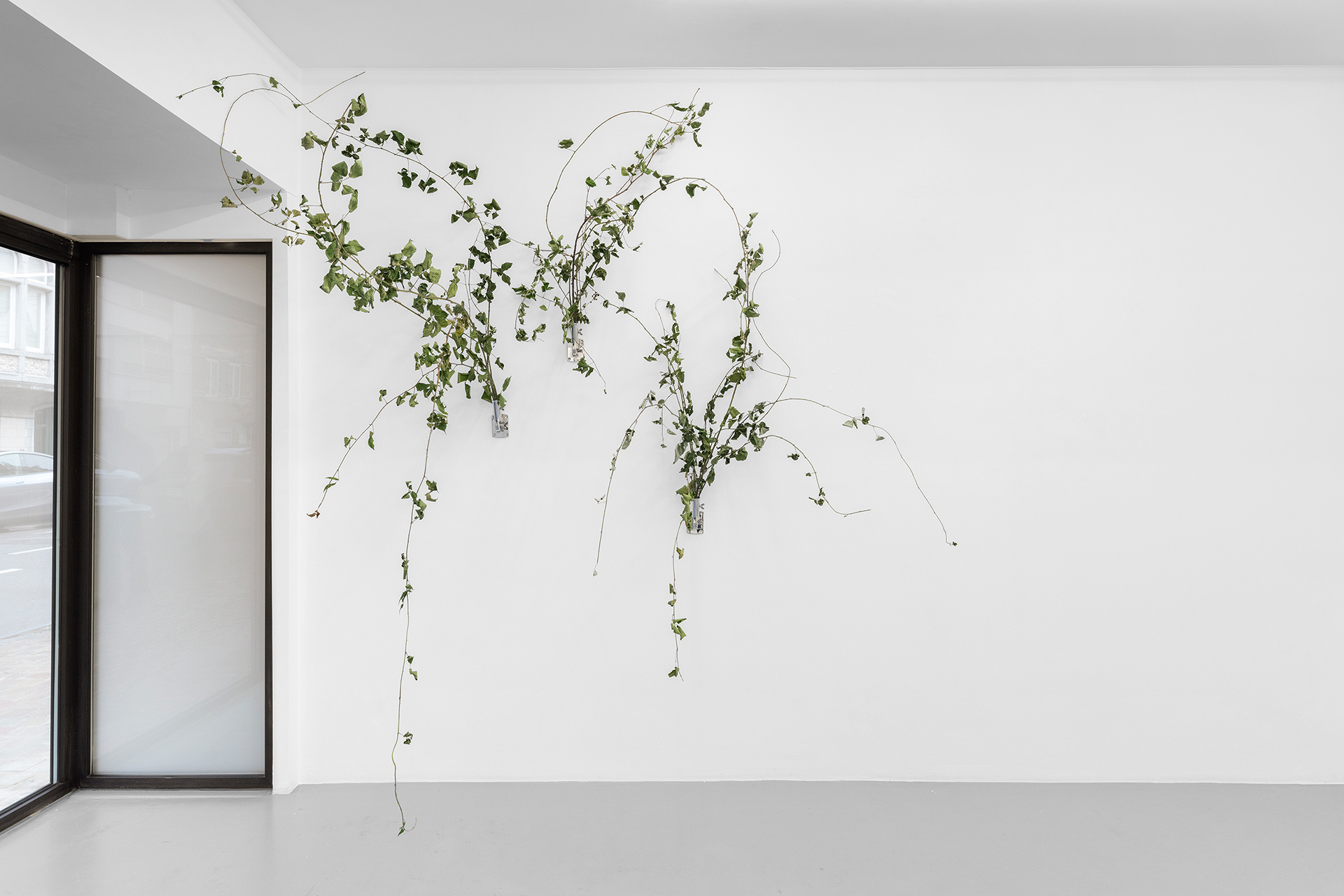
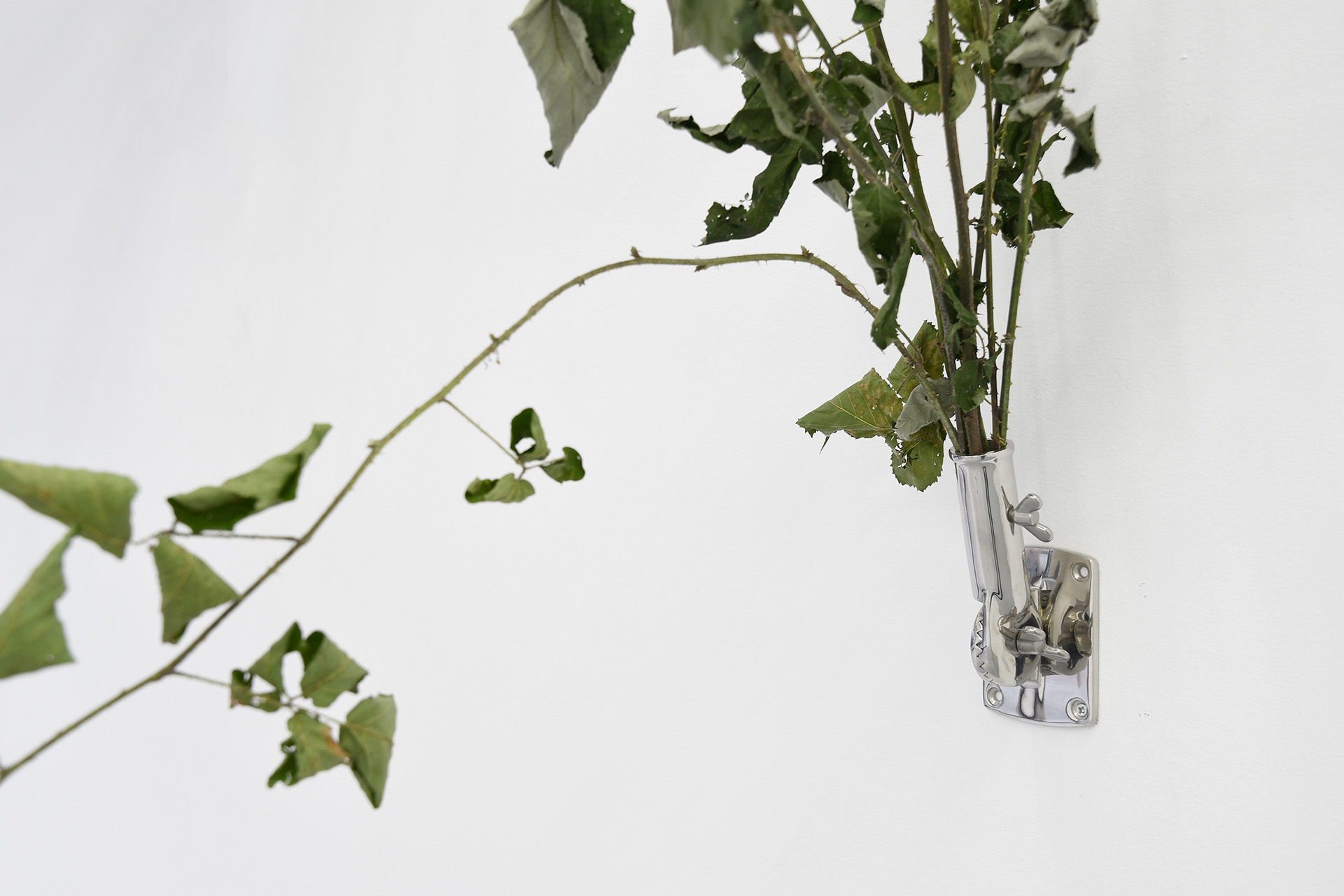
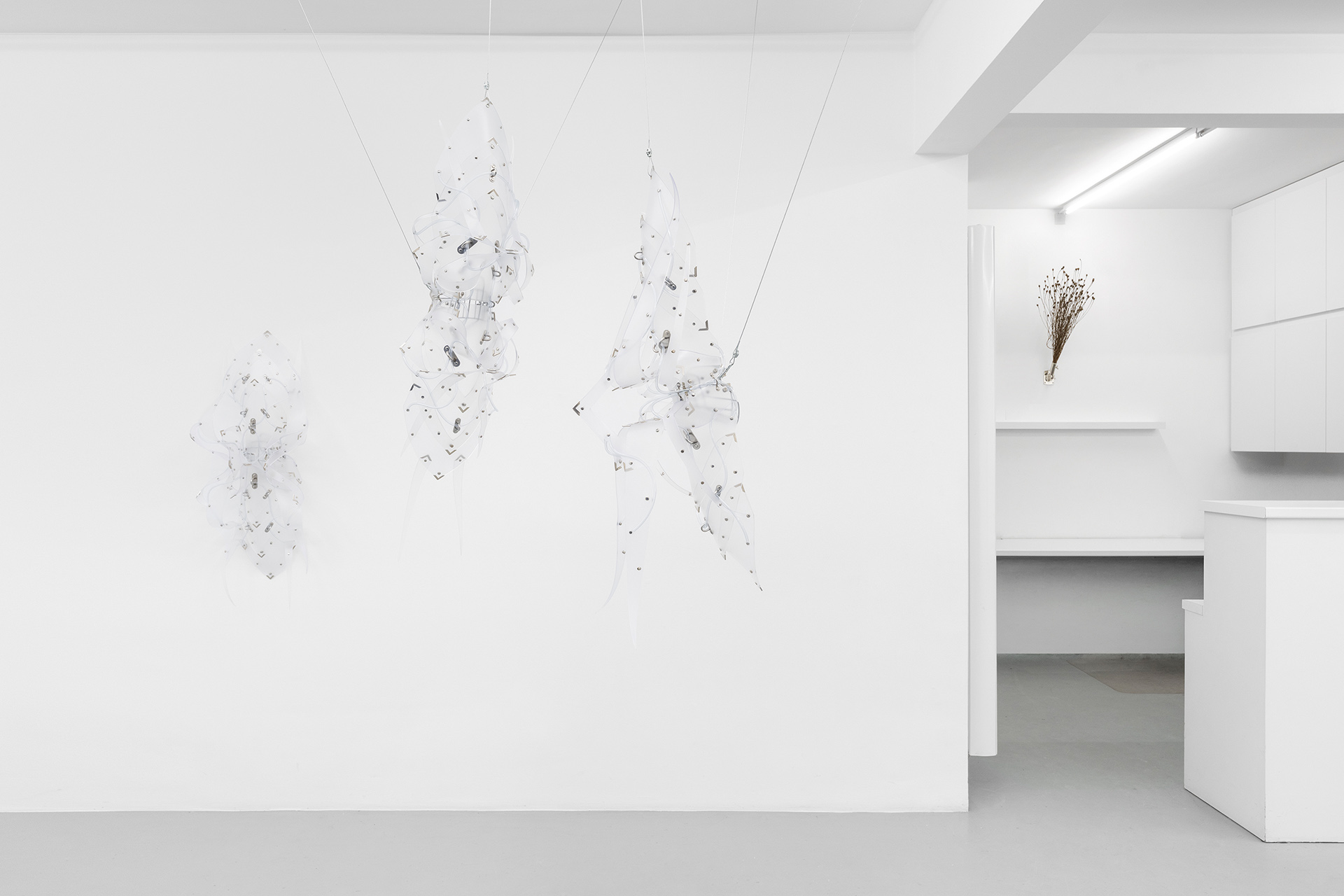
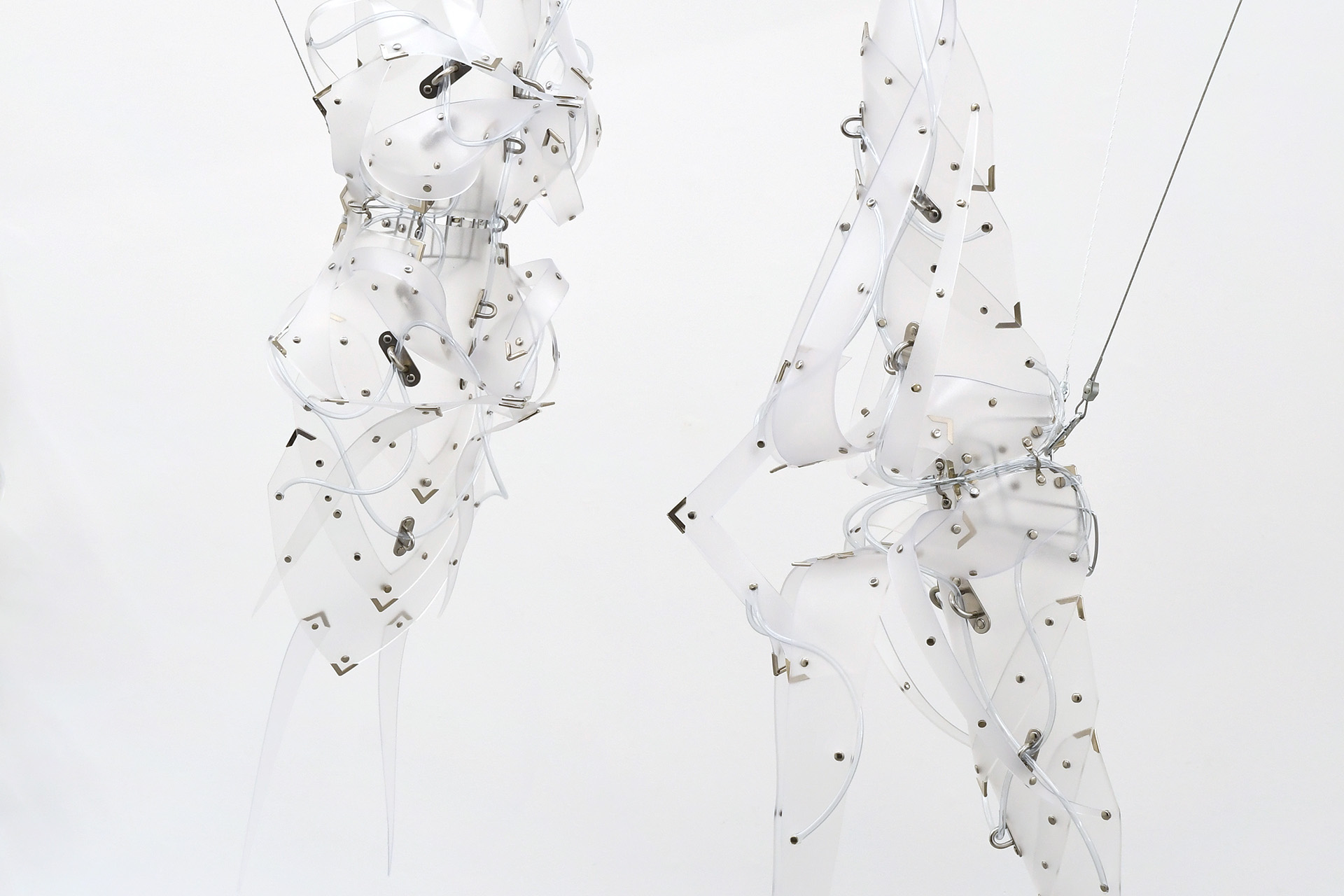
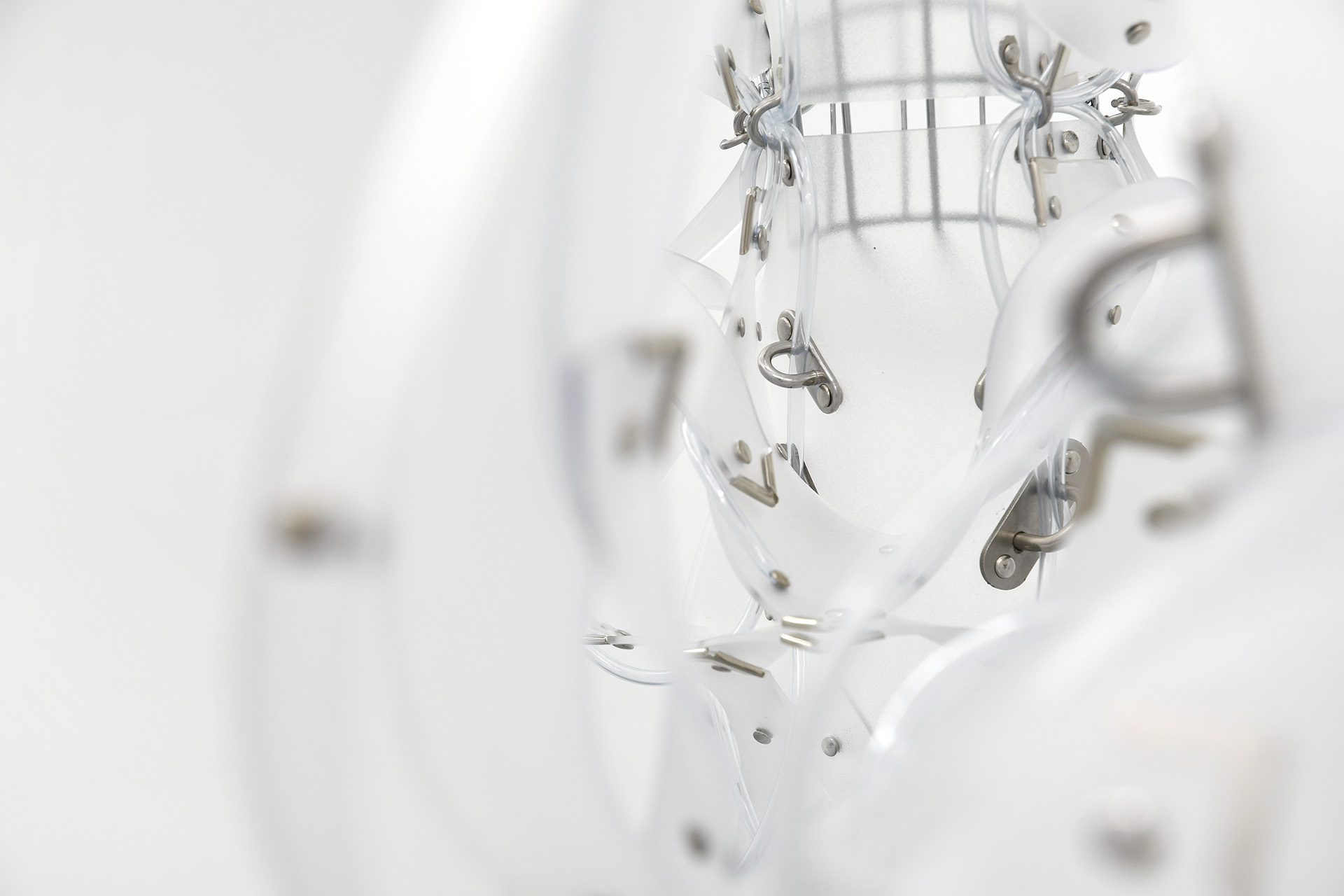
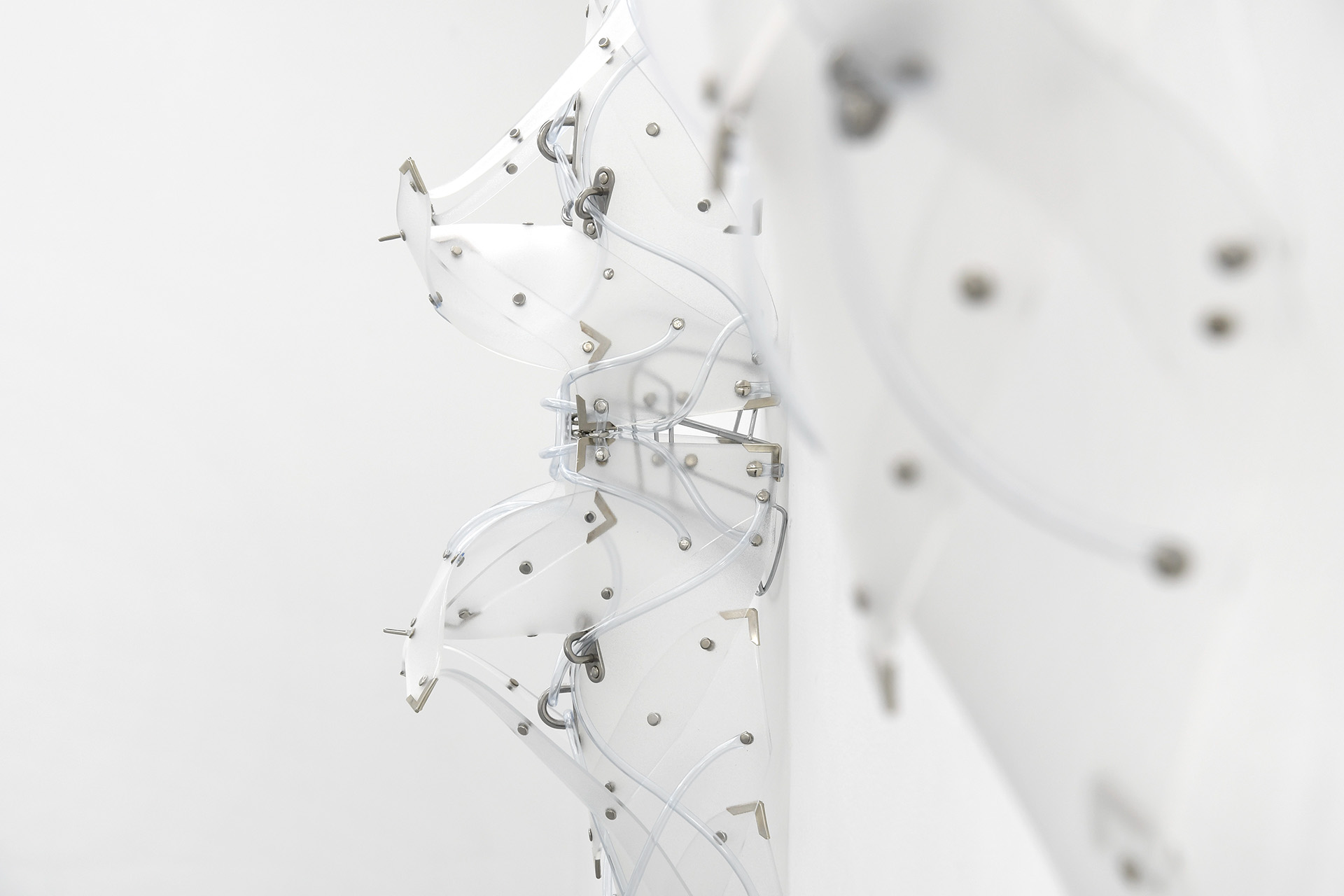
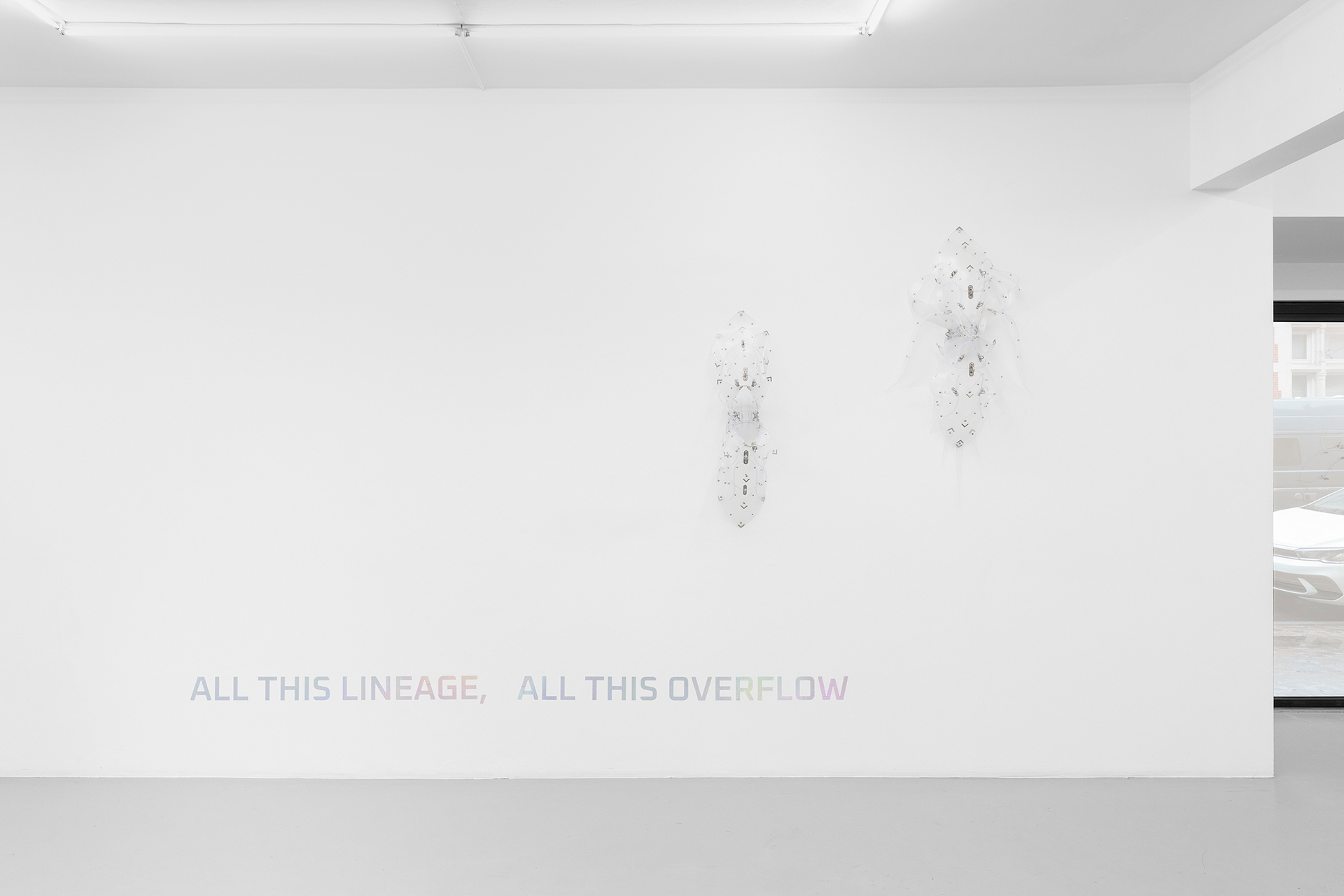
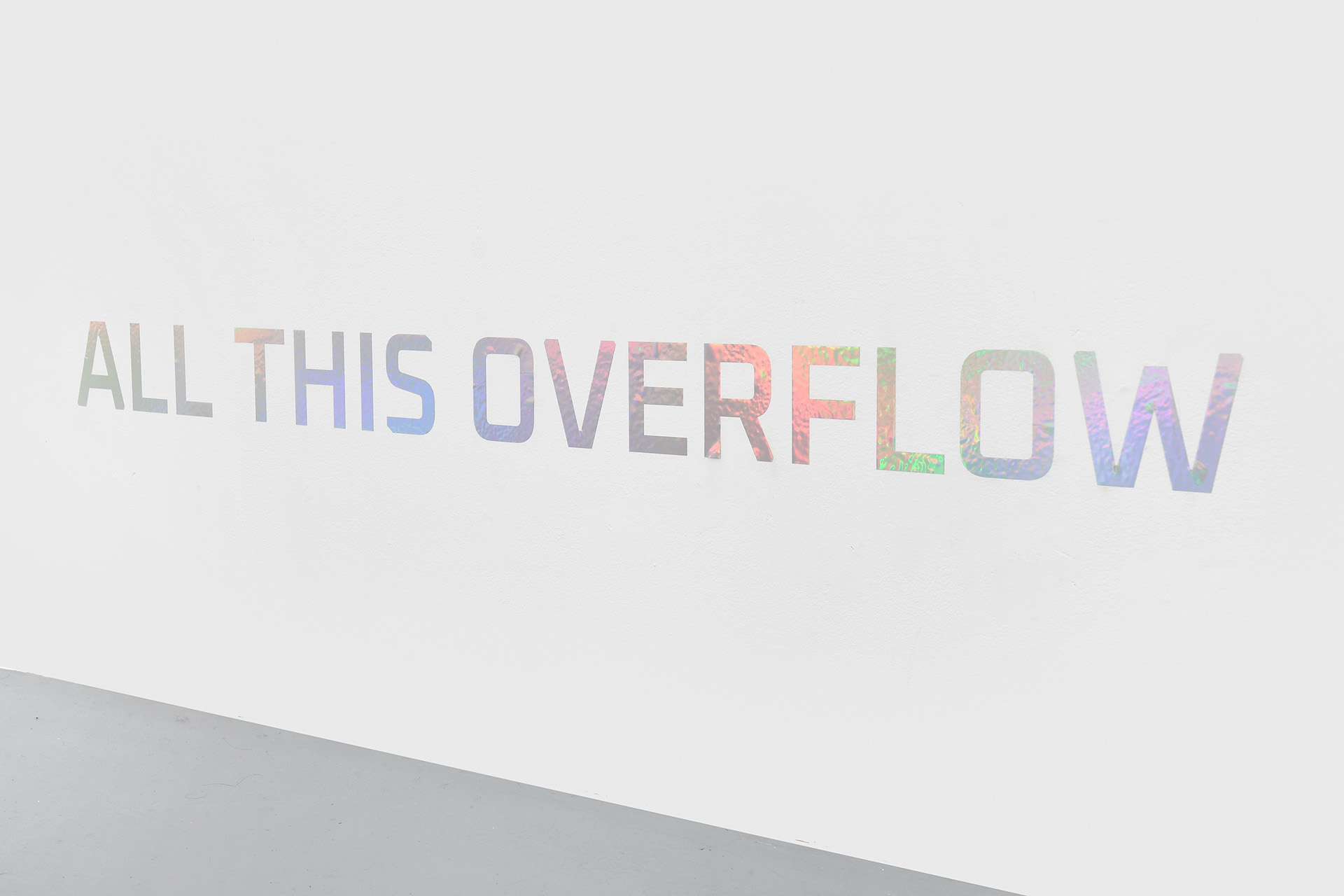
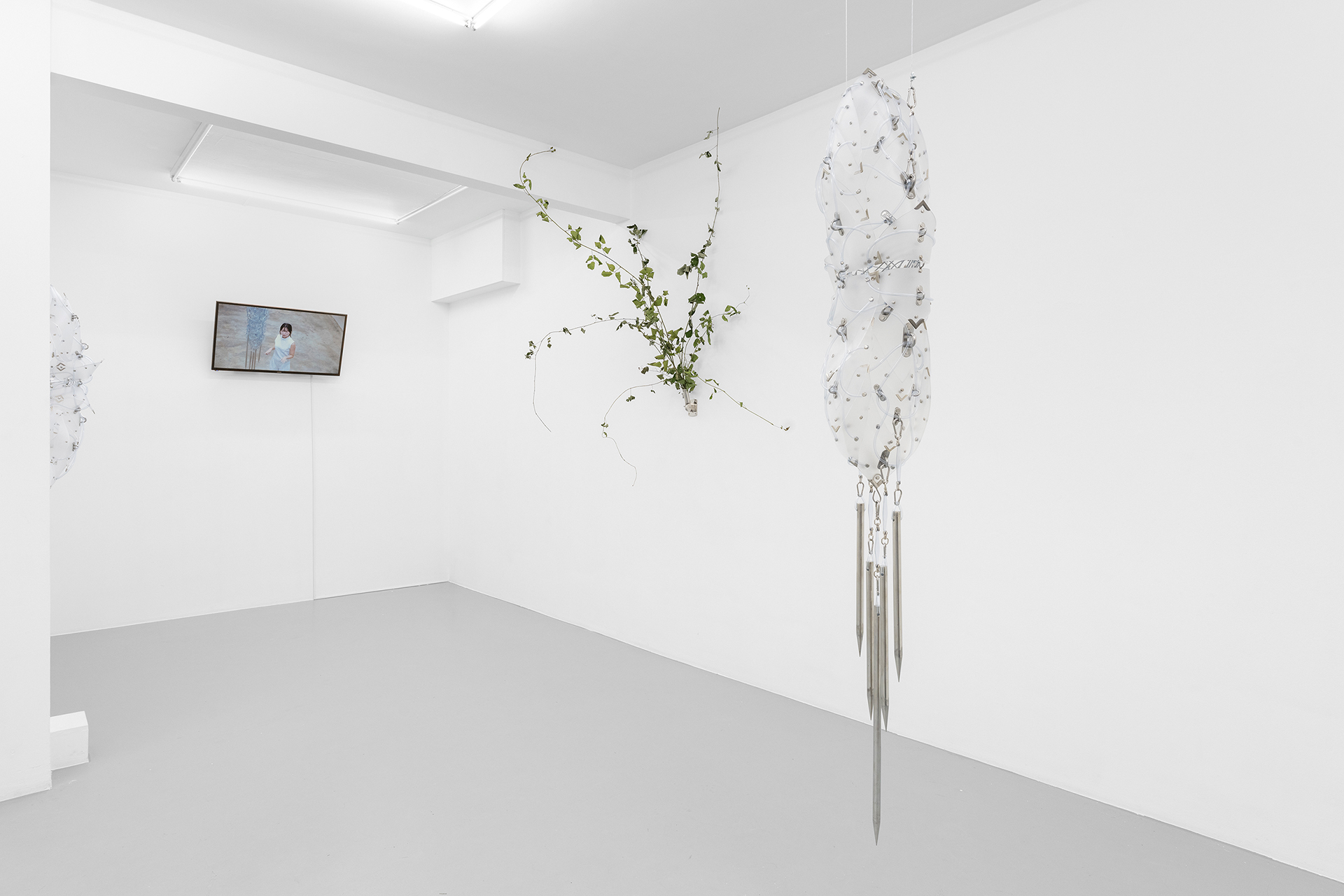
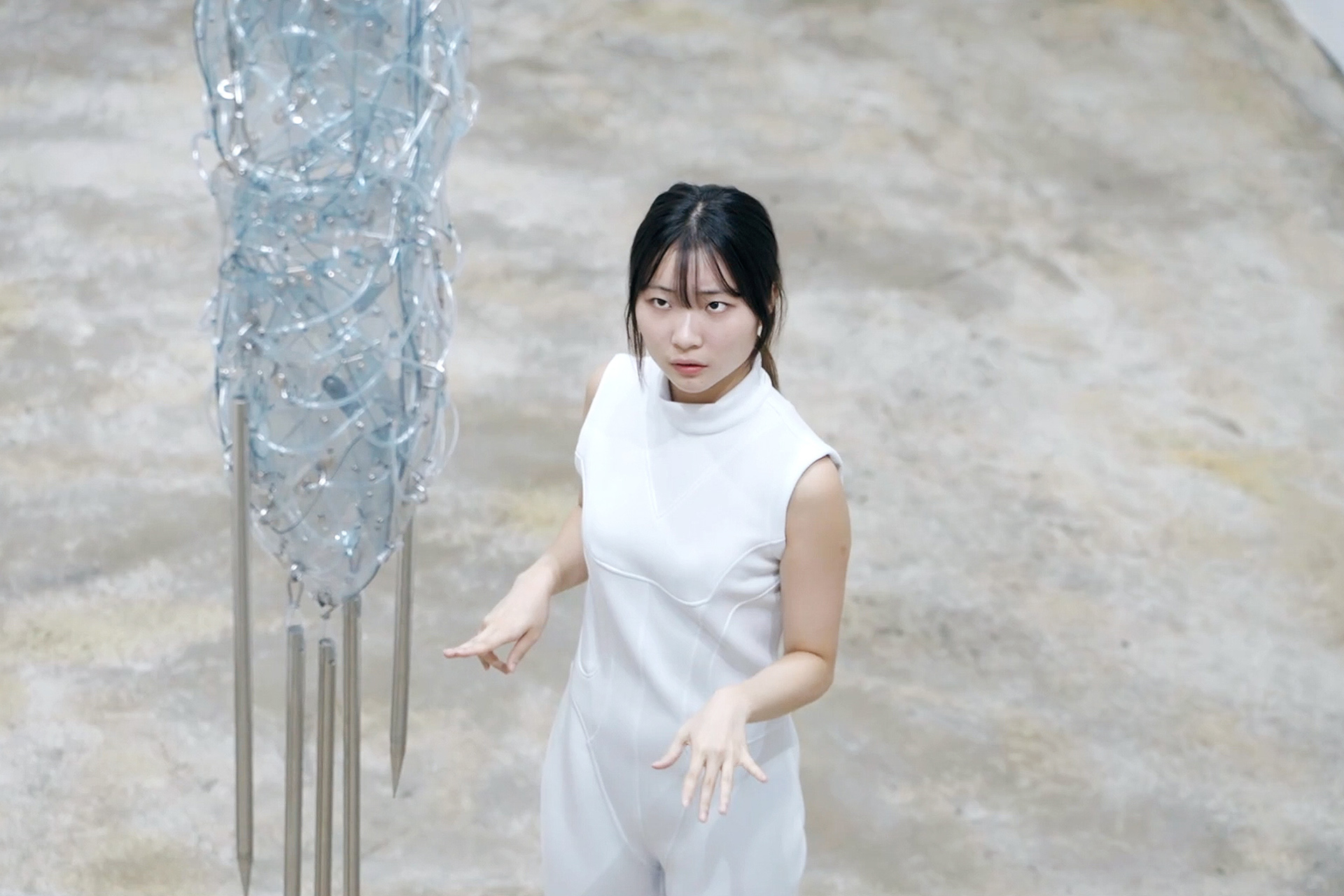
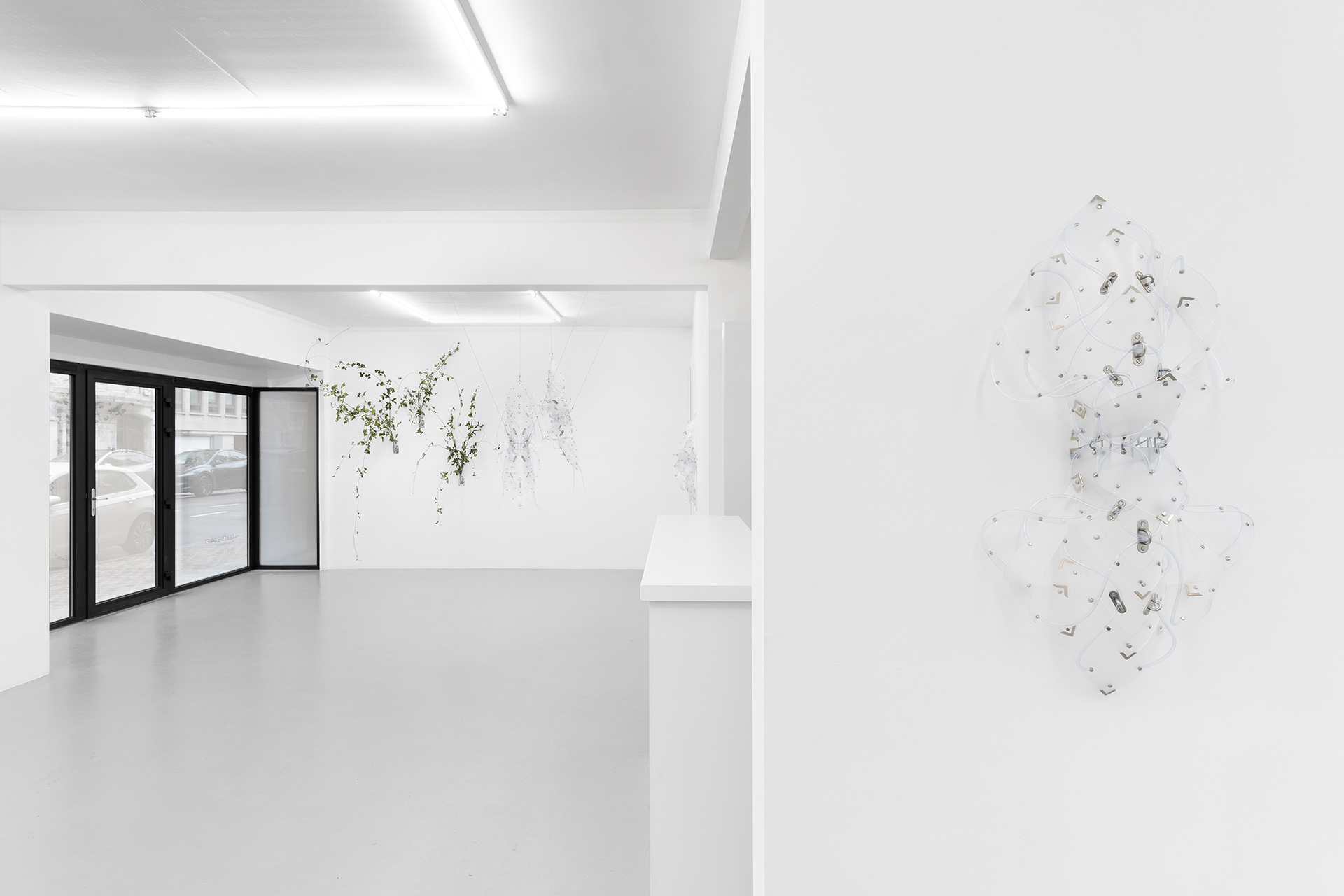
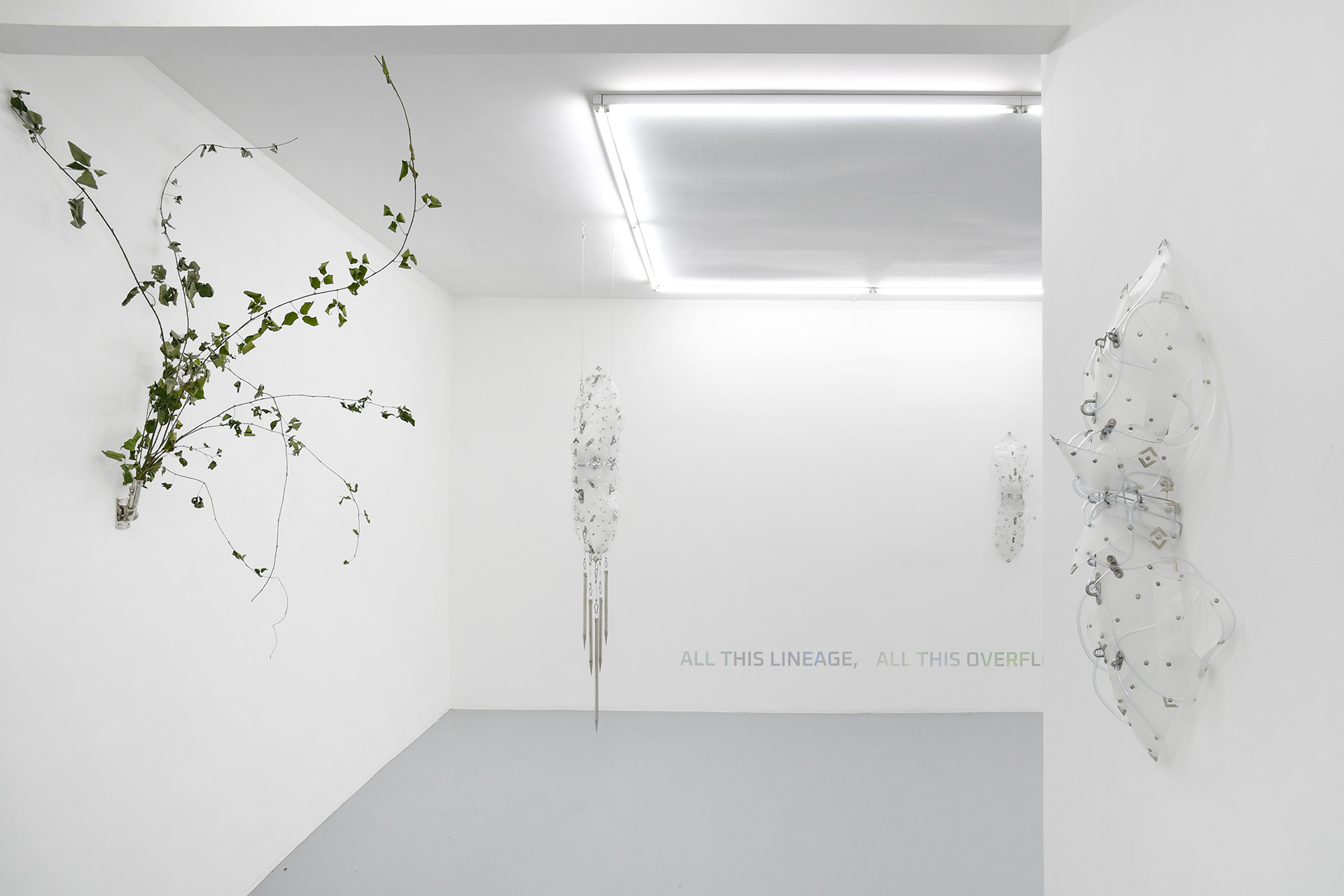
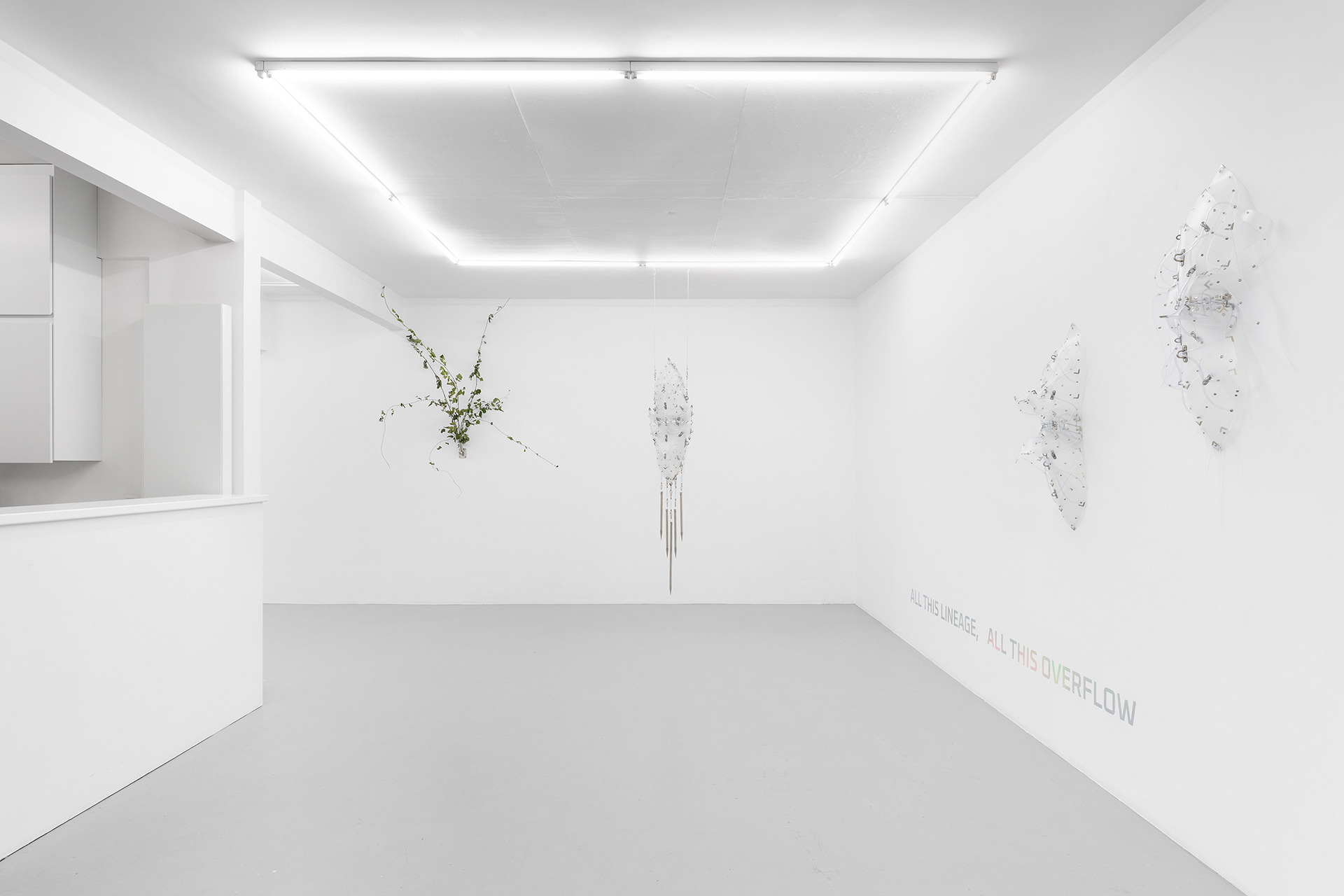
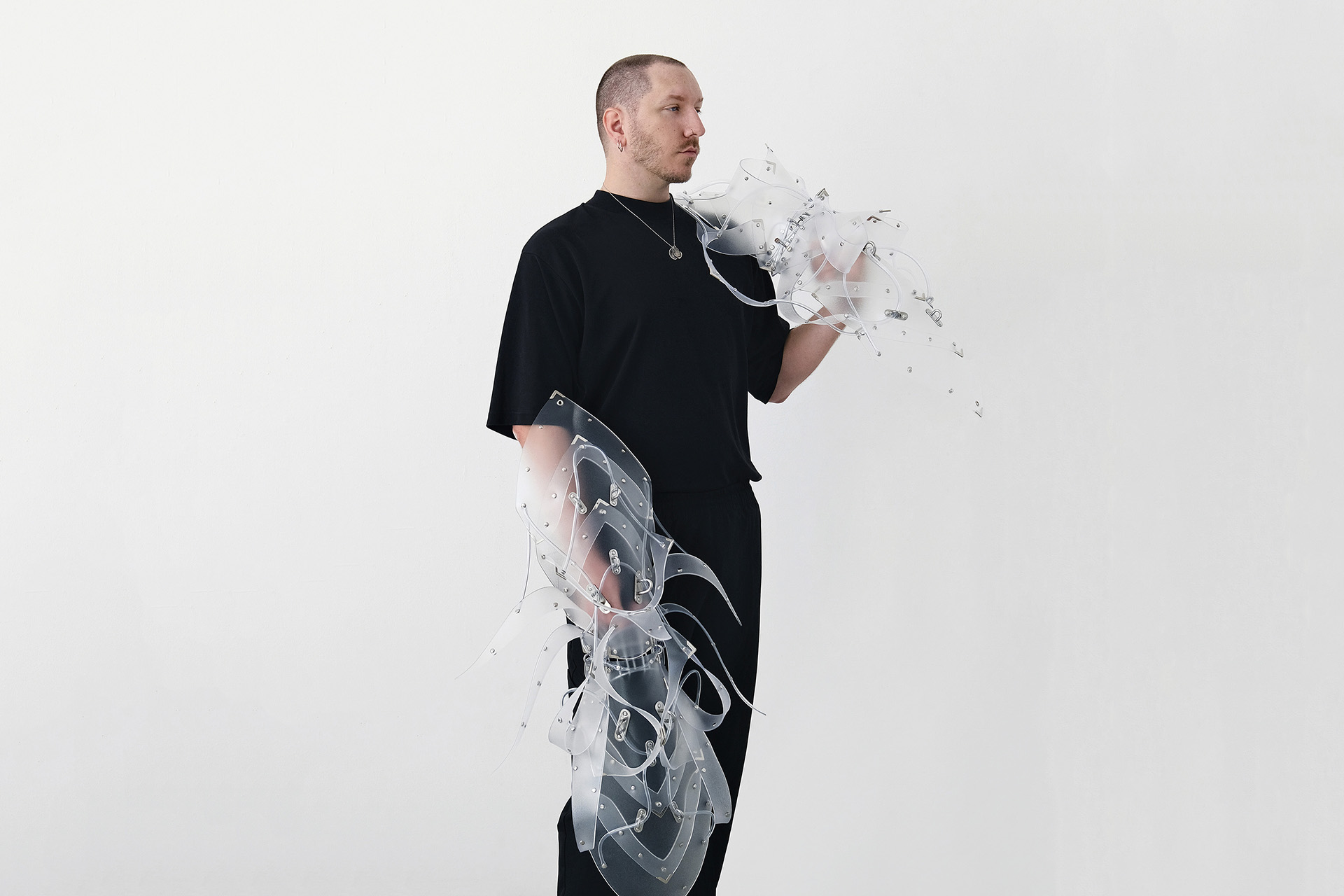
The various works in the Genesis Drift exhibition do not constitute the elements of a linear narrative: they are conceived as components of a speculative environment in which multiple ways of sustaining, transforming, or connecting forms of life coexist. The Pixies and the Arks introduce figures of enclosure, protection, and development. The Omen series shifts these questions toward a confrontation between sculptures, artificial structures, and plant growth. The Attunement, for its part, introduces a gestural and relational dimension by staging an intervention on a sculptural body whose status remains uncertain. Through these works, I seek not so much to represent a future world as to construct the material and symbolic conditions of a possible world. The forms that compose it are not entirely autonomous. They are part of relationships of filiation, transmission, and transformation, but these relationships are never fully controlled. They can produce unexpected effects, diversions, or mutations that deviate from their original function. The subtitle ALL THIS LINEAGE, ALL THIS OVERFLOW, presented as a holographic subtitle, echoes this tension. It juxtaposes the idea of lineage and continuity with that of excess and overflow: what is transmitted can also proliferate, exceed its own conditions of existence, and displace the systems from which it originated (echoing the current political situation). It does not describe the works, but extends one of their central questions: what becomes of forms, structures, and existences when they reproduce, transform, and ultimately overflow the very containers meant to hold them?
Thus, my work draws on references that span the history of science and philosophy as well as visual cultures and speculative imaginaries. Hideaki Anno’s Neon Genesis Evangelion universe, in particular, serves as an important reference in the construction of my environments, due to the way it articulates apocalyptic mythologies, technologies, hybrid organisms, and transformations of the human condition. On another level, the research of Ursula K. Le Guin and Thom van Dooren on interspecies relationships, disappearance, and shared worlds, as well as Gilbert Simondon’s reflections on individuation and the relationships between beings and their environment, inform my approach to viewing forms of life as relational processes that are always subject to transformation. These references do not constitute theoretical frameworks to be illustrated, but rather, I see them as points of reference for constructing situations where different temporalities, forms of existence, and modes of coexistence intersect.
– Floryan Varennes
Floryan Varennes, a visual artist, researcher and teacher, develops a multidisciplinary practice at the intersection of sculpture, installation, video and performance. Through a variety of modalities, his work explores the failings and ambivalences of our systems of preservation – whether structural, therapeutic or even fctional. His research draws on these alterations to test the concept of care, both within its limits and in terms of its potential. He uses this as a method to subvert the grand narratives that underpin our systems of attention and for examining the forms of consciousness that arise from them. He thus seeks to understand how these systems attempt to sustain themselves, transform themselves or escape the models and frameworks that defne them.
His visual universe unfolds like a polysemic interface, straddling archives and anticipations. He combines two interrelated temporalities: medieval iconography and folklore on the one hand, and medical biotechnological advances on the other. These references, seemingly composite, are brought together in an efort to make different thresholds of reality coexist, whilst speculating on as yet indeterminate bodily states. The body and its environment thus emerge in negative relief, through various extensions – whether attached or optimised – as if they were withdrawing in order to better protect themselves. The result is an ecosystem of unsettling entities: fragmented matrices, translucent equipment, olfactory environments, and ribbed devices, which he accompanies with prophylactic gestures.
At their core, his sculptures reveal how certain legacies are shifting, demonstrate how established norms are being dismantled, and show how patterns of violence are incorporated – in order to better guard against them. Through a process of reappropriation, Floryan Varennes thus repairs a marginalised present, made up of impacts and premonitions. This speculative approach sketches out a counterhistory, which releases existences and forms of knowledge kept outside the realm of collective memory, and challenges the ways in which we care for them.
Born in La Rochelle in 1988, Floryan Varennes lives and works in Paris / France. A visual artist with a background in history, he graduated with a DNSEP (MA in visual art) in 2014 from ESAD TPM and a Master’s degree in Medieval History in 2020 from the University of Paris-Nanterre.
Opening Thursday 12.11, 5pm > 9pm
Exhibition until Saturday 19.12
Location
Irène Laub gallery
29 rue Van Eyck
1050 Brussels (BE)
Discover more about Floryan Varennes